 Search
 Login
LoginButter Pasta
 Italian
 Easy
Easy Main Course


Three-Ingredient Butter Pasta: Quick & Silky Comfort Bowl Recipe
Butter Pasta
17 mins
Cooking Time
Easy
Difficulty
4
Ingredients
Veg
Diet
Three-Ingredient Butter Pasta proves that a comforting dinner does not need a crowded ingredient list. This old-school Italian-style preparation relies on butter, pasta water, and aged Parmigiano to build a naturally glossy sauce. The starch released while boiling the pasta gives body to the dish without using cream. That balance keeps the flavour rich while still feeling light enough for warm evenings or quick weekday meals.
Among popular creamy pasta recipes, this version stands out because every ingredient has a specific role. Butter creates richness, the cheese adds sharp nuttiness, and hot pasta water ties everything together into a smooth coating. Restaurants often use this emulsifying technique because it delivers texture without heavy sauces or flour-based thickeners.
The best part about three-ingredient butter pasta is how adaptable it feels on the table. It works for late-night dinners, rushed lunches, or small gatherings where simple food matters more than elaborate presentation. Choosing bronze-cut pasta and high-quality cheese gives the final bowl a silky finish that tastes far more luxurious than its short ingredient list suggests.
Ingredients
UNITSIngredients
250 gramsPasta
Half a stickButter (cut into cubes)
1 cupParmigiano cheese (freshly grated)
1½ cupsReserved pasta water
Fresh Mango Burrata Salad: Creamy And Juicy Summer Delight
Mango Burrata Salad sits right at the intersection of sweet fruit and creamy cheese, making it a standout on warm days when heavy meals feel overwhelming. This dish borrows from Italian plating styles, where fresh ingredients do most of the work and let textures and natural flavours lead the experience. It’s one of those plates that feels simple but looks like it came out of a café kitchen. Seasonality plays a big role here. Mango recipes often peak during summer, when the fruit is naturally sweet and juicy without needing extra seasoning. Pairing it with burrata creates a contrast that’s hard to miss; soft, milky richness against bright, slightly tangy fruit. This burrata cheese recipe keeps things minimal so each bite stays balanced rather than overloaded. What makes this combination work is how each ingredient fills a gap. The greens add freshness, tomatoes bring acidity, and balsamic ties everything together with a subtle depth. It’s quick to assemble, doesn’t need cooking, and still manages to feel complete enough to serve as a starter or a light meal.10 minseasySundried Tomato Pesto Recipe: Tangy Homemade Italian Spread
Sundried Tomato Pesto stands out for its deep colour and layered taste that leans slightly tangy with a nutty finish. It traces back to Italian kitchens, where preserving tomatoes was common during peak harvest months. That concentrated flavour is what gives this spread its distinct edge in everyday cooking. This pesto sauce recipe is not limited to pasta alone. It works just as well as a sandwich spread or a quick dip when mixed with yoghurt. The addition of almonds instead of pine nuts makes it more accessible while still keeping the texture rich and slightly coarse. Making it at home allows better control over salt and oil balance. The pesto sauce recipe also stores well when refrigerated, making it useful for quick meals during busy weekdays without compromising on flavour.15 minseasyItalian Almond Paste Cookies That Feel Like A Bakery Treat
Italian Almond Paste Cookies, also called Almond Macaroons, come from traditional Italian bakeries where almond-based sweets hold a strong place during holidays and celebrations. These cookies are known for their soft centres and lightly crisp shells, achieved without flour, making them naturally gluten-free. Within cookie recipes, this one stands out for its short ingredient list and intense almond taste. Almond Macaroons trace their roots to Sicilian convent kitchens, where almond paste was commonly used in sweets due to abundant almond harvests. The dough rests before baking, which helps the texture turn slightly chewy while keeping the inside moist. Cookie recipes like this are often prepared during Christmas and weddings for their elegant look and rich taste. The beauty of this preparation lies in its balance: sweetness from sugar, structure from egg whites, and depth from almond paste. Italian Almond Paste Cookies [Almond Macaroons] remain popular because they require minimal effort yet deliver bakery-style results at home.162 minseasy
Plate it up!
Plate it up!
Plating Instructions
Plating Instructions
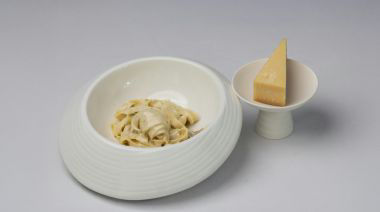
Twirl the pasta into shallow bowls and spoon extra glossy sauce over the top before serving hot.
Pairing Instructions
Pairing Instructions
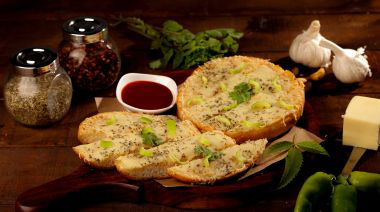
Serve with toasted garlic bread or a crisp lettuce salad with lemon dressing for balance.
Garnishing Instructions
Garnishing Instructions
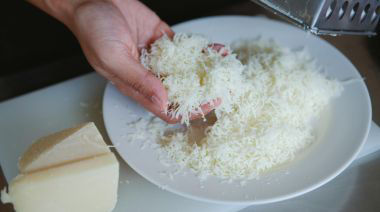
Scatter extra grated parmigiano and cracked black pepper for a restaurant-style finish.
The starch from the pasta water combines with butter and parmigiano to form a naturally smooth sauce. Vigorous tossing helps emulsify everything into a glossy coating.

Share
Save for later
Veg

Homemade Garlic Bread: Delicious, Buttery, and flavorful
90mins
|Moderate
Share
Save for later
Veg
Masala Cornflakes Bhel: Crunchy and Delicious
5mins
|Easy