 Search
 Login
LoginKhapli Wheat Buttermilk Bread
 Fusion
 Difficult
 Main Course


Try This Khapli Wheat Buttermilk Bread Buns For Your Next Weekend Bake
Khapli Wheat Buttermilk Bread
3 mins
Cooking Time
Difficult
Difficulty
12
Ingredients
Diet
Khapli wheat, also known as emmer wheat, has gained prominence in recent years for its nutritional value. The prices might still be steep because it has not become a mainstream atta yet, but given that its home is in the Indian regions of Maharashtra, Karnataka, Gujarat, and Andhra Pradesh, going back nearly 10,000 years, it is wise to indulge in local eating.
Khapli wheat has a lower gluten content, which is why baking can be a struggle, but not impossible. It has higher fibre levels and a richer micronutrient profile than usual wheat, making it worth a try in baked goods like bread. It is often associated with better digestion, slower glucose release, and improved satiety, making it a preferred choice for health-conscious individuals. Quality brands like Aashirvaad Chakki Khapli Atta bring this ancient grain into modern kitchens.
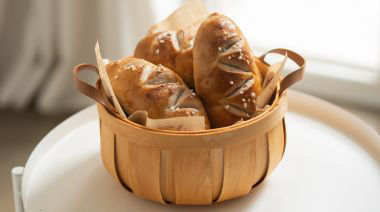
The khapli wheat recipe of buttermilk bread below might be coarser and denser than your usual maida loaf, but it has more nutrients and is better for your body. The yeast is first proofed twice to develop the gluten in the dough, and then baked with an egg wash applied to the bread buns. You can also choose to make a bread loaf by shaping the dough into a rectangular shape instead of a spherical one.
Ingredients
UNITSIngredients
3 cupsAashirvaad Chakki Khapli Atta
3 cupsBread flour
1 cupButtermilk
1 cupWarm water (adjust as needed)
4 1/2 tspYeast
1 tbspSugar
4 tbspButter
2 tbspMolasses
1 1/2 tspSalt
1 beatenEgg (for wash)
(to sprinkle)Oats or seeds
2 tbspMelted butter (for rolls)
Plate it up!
Plate it up!
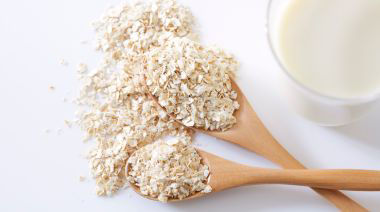
Buttermilk adds acidity, which helps tenderise gluten, improves softness, and creates a moist crumb. It’s particularly crucial for khapli wheat, which tends to yield denser loaves.

