 Search
 Login
Login 5 min
5 min 22/01/2026


The year 2026 is seeing a resurgence of nostalgia-based culinary trends as people are turning toward foods that remind them of their childhoods. With many aspects of daily life quickly changing due to technology, many consumers are opting for culinary security in the form of familiar meals.
While food trends in 2026 have always included novelty, fusion and showmanship, food trends in 2026 are instead gravitating toward comfort foods—dishes that remind consumers of home life, familiar routines, and previous versions of themselves. Nostalgia for past dishes is shaping the way consumers view food today, providing them with an opportunity to reconnect to their foundations.
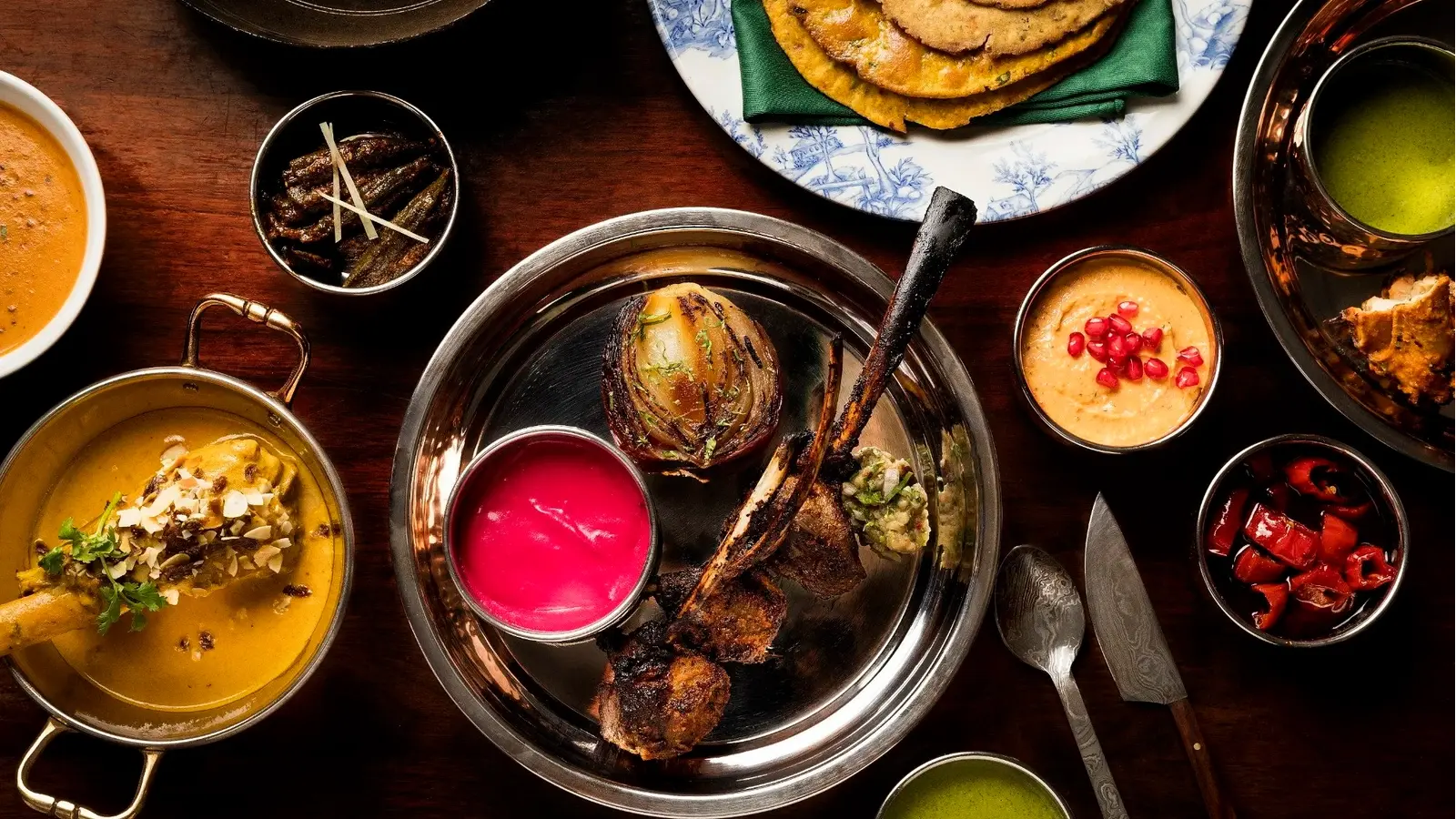
The introduction of artificial intelligence, automation, and the large number of digital interactions that have become part of people's lives has created a need for something solid, reliable and not constantly changing. Nostalgic dishes are providing consumers with this comfort, while calming their minds by pulling back from the constant demands of decision-making. Thus, the nostalgic foods of 2026 are more than the ability to indulge in flavours of the past; rather, they serve as a source of stability for consumers in a highly dynamic world where the pace of change is so fast.
Nostalgia foods, like Chicken Kiev, mashed potatoes, rice pudding and khichdi, are coming back as we have avoided thinking of them as meals we choose for ourselves, but as meals that were made for us when we had care. Thus its not about food that people would think they would order in 2026. This association with being cared for (while experiencing a lot of additional stress or burnout) is the growing trend that is drawing consumers towards dishes that are more like being cared for. Restaurants and home kitchens are now choosing recipes that are all about softness, warmth and familiarity rather than complicated recipes to fit the poverty-based crises of the world today.
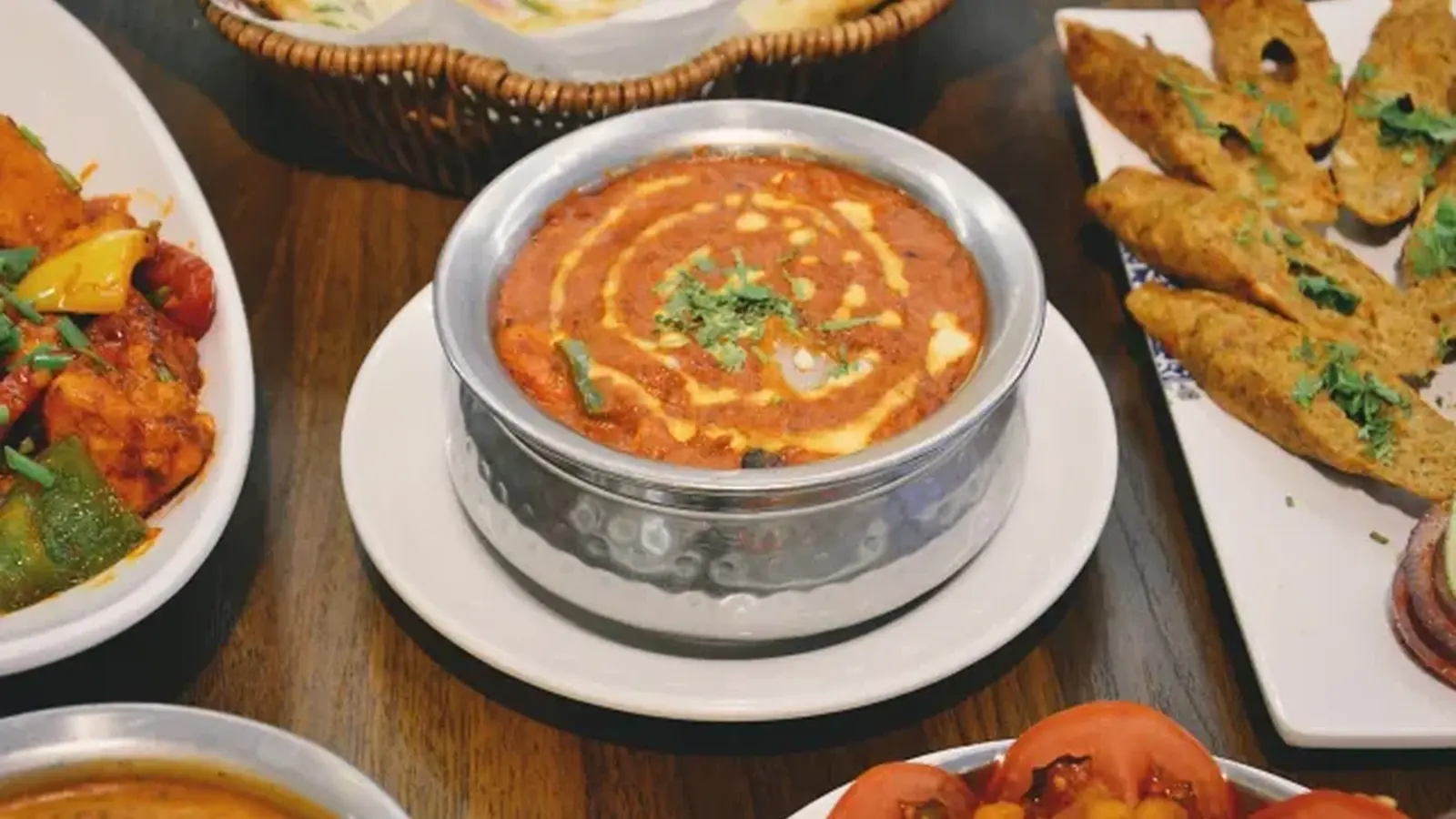
With so many new and innovative gourmet options and products generated through algorithms, simple dishes are now being promoted as premium level. A plain dal or an unadulterated khichdi or a simply seasoned roast chicken is now redefined from simply default to the intention of choice. Nostalgia foods are moving away from being laden with excess garnish and glare of reality through theatrical plating and are instead focusing on total restraint and ultimate harmony between bitter and sweeter elements within food's dualities.
As opposed to the indulgence-driven growth of food trends, eating for nostalgia is less likely to lead to moral mistakes. Therefore, people view comfort foods as being emotionally productive instead of indulgent. Consuming nostalgic food connects people to a memory that is restorative and not merely indulgent. In 2026, emotionally based eating is no longer seen as a form of weakness but rather a tool to regulate oneself emotionally. Food is seen as a culturally and personally accepted way to cope with life and all it entails.

Today, there is a growing trend among diners towards menus that take inspiration from history, with more and more companies creating menus that emphasise nostalgia and emotional connection. Nostalgic food systems help create a connection between those who eat the food and the memories they have associated with that time. In creating nostalgic food items, diners have the opportunity to experience nostalgia as they connect emotionally to their favourite foods while simultaneously enjoying the convenience of a modern diet.
In fact, the popularity of nostalgic food has grown within the past five years, as technology continues to grow exponentially, making food an increasingly abstract part of people's lives. People are now searching for food that allows them to remember tangible experiences and to return to simpler times. The connection between food and memory is created through food's ability to reflect an era's culture and values, and the ability to create lifelong memories between experience and food. Nostalgic eating is about creating continuity and finding balance in an ever-changing world.


 Instagram
 Facebook
 Youtube