

Khar
 Assamese
 Intermediate
 Stew


Khar Recipe: Experience Assam’s Ancient Raw Papaya Stew
Khar
45 mins
Cooking Time
Intermediate
Difficulty
9
Ingredients
Vegan
Diet
One of the most recognisable dishes from Assam, khar embodies the unique cuisine of the state. The traditional method of making khar involves filtering alkaline water through the ashes of a banana stem. This process imparts the dish's signature taste and purifying qualities. Raw papaya is the traditional ingredient because of how well it absorbs the alkaline broth, which gives the meal a mild bitterness and earthy overtones.
Assamese people think that khar can help with digestion, cleanse the body, and get the stomach ready for bigger meals; therefore, it is more than simply food to them. Serving khar as a palate cleanser at the start of a meal is a common practice in traditional Assamese cuisine. Forget about overpowering spices; its singularity rests on its bare essentials: alkaline water, mustard oil, and the inherent papaya taste. Learn to cook khar for a filling and homely North Eastern meal.
Ingredients
UNITSIngredients
2 cups Raw papaya
1 cup Alkaline water (khar)
1 tbspMustard oil
1 smallOnion (sliced)
2 clovesGarlic
2 (slit)Green chillies
to tasteSalt
2 cupsWater
for garnishCoriander leaves
Plate it up!
Plate it up!
Plating Instructions
Plating Instructions

Transfer the khar to a wooden dish and let the broth shine. Put the chunks of papaya in an attractive manner.
&nbs...
Pairing Instructions
Pairing Instructions
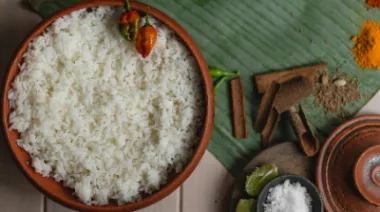
For a traditional Assamese meal, try it with plain steamed rice and aloo pitika.
Garnishing Instructions
Garnishing Instructions
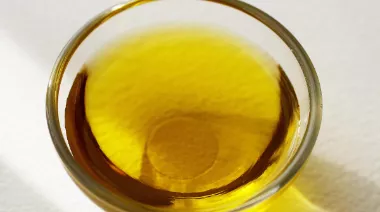
Include some fresh coriander and a minute drizzle of mustard oil for garnish.
Yes, Assamese Khar is noticeably alkaline because it uses water that has been filtered via plant ash.

Share
Save for later
Veg

Assamese Khar: Unique Culinary Experience
50mins
|Easy
Share
Save for later
Veg
Maple Pecan Sweet Potato
42mins
|Easy