 Search
 Login
LoginVrat-Friendly Seekh Kebab
 Indian
 Intermediate
 Appetizer


Vrat-Friendly Seekh Kebab For Navratri: Crispy Paneer Kebabs For Fasting Days
Vrat-Friendly Seekh Kebab
35 mins
Cooking Time
Intermediate
Difficulty
14
Ingredients
Veg + Dairy
Diet
Vrat-friendly foods need not be boring, and if you are craving something juicy like seekh kebabs, there is a way to make fasting-friendly versions. Seekh kebabs are traditionally a spiced minced meat preparation cooked on skewers over high heat. This version replaces meat with fresh and soft homemade paneer and uses only vrat-approved ingredients: sendha namak instead of table salt, samak rice flour as the binding agent, and pure ghee for shallow frying. You get a snack that is both festival-ready and genuinely delicious.
The key to a perfect vrat-friendly seekh kebabs lies in the paneer. Freshly made paneer, kneaded smooth and combined with well-drained hung curd, gives the kebabs a soft, cohesive texture that holds well on the skewer. The warmth of cardamom powder and cumin, along with the fresh flavours from coriander and green chillies, ensures the kebabs are fragrant and well-seasoned – all within the boundaries of vrat cuisine. A one-hour freeze before frying firms the mixture of this seekh kebab too well.
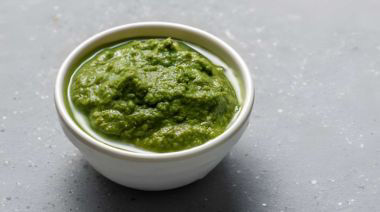
These vrat-friendly seekh kebabs are ideal for Navratri, Ekadashi, Mahashivratri, or any fasting day when you want something special on the table. They pair well with a refreshing mint-coriander chutney made with sendha namak, or a simple yoghurt dip. Make a larger batch and freeze the uncooked kebabs; they go from freezer to pan in minutes, making them one of the most practical fasting dishes you can prepare.
Ingredients
UNITSIngredients
For the homemade paneer (prepare a day before):
1 litreMilk
2 tbspLemon juice or vinegar
For the seekh kebabs:
250 gFresh paneer (homemade or store-bought)
½ cupHung curd
1 tspSendha namak (rock salt) or to taste
½ tspBlack pepper
¼ tspCardamom powder
½ tspCumin powder
1-2Green chillies (finely chopped)
2 tbspCoriander leaves (finely chopped)
2-3 tbspVrat ke chawal ka atta / samak rice flour
for shallow fryGhee
Jackfruit Payasam: Traditional Kerala Sweet You Must Try
Jackfruit Payasam is a beloved Kerala dessert, often prepared during festivals when ripe jackfruit is in abundance. The fruit’s natural sweetness blends with jaggery to create a deep, caramel-like base that feels both rich and comforting. This preparation is closely linked to seasonal cooking, making the most of fresh produce before it disappears. In many homes, this dish is known as a traditional chakka pradhaman, where slow cooking helps break down the fruit into a soft, pulpy texture. Coconut milk is added towards the end, giving the dish its signature creamy body without overpowering the fruit’s flavour. What sets this apart is the balance of textures: soft jackfruit, smooth liquid, and crisp fried nuts. It’s typically served warm, though some prefer it slightly cooled, allowing the flavours to settle and deepen.30 minsintermediateA Fusion Dessert For All Moods: Spiced Besan Laddu Cookies Recipe
These spiced besan laddu cookies feature roasted chickpea flour combined with aromatic spices like cardamom and nutmeg, plus ghee for a melt-in-mouth texture. They are shaped as cookies and baked for a slightly crisp exterior with a soft, crumbly centre.55 minsintermediateRestaurant-Style Paneer Butter Masala Pot Stickers
A creative Indo-Chinese fusion dish that combines the beloved rich paneer butter masala with momos or pot stickers. The creamy masala filling is encased in a delicate pot sticker wrapper, steamed and pan-fried for a golden, crispy exterior. Enjoy this as a starter to dinner, or as a satiating evening snack.65 minsintermediate
Absolutely. Shape the mixture into flat tikkis or small cylinders instead. They fry just as well and are easier to handle without skewers.

Share
Save for later

Rustic Ragi Soup Recipe with Garden Vegetables
30mins
|Easy
Share
Save for later
Air Fried Mirchi Bhajji: A Crispy, Stuffed Snack Delight
30mins
|Easy