 Search
 Login
LoginGoan Doce Bhaji
 Indian
 Easy
Easy Dessert


São João Festival Special: How To Make Goan Doce Bhaji Recipe
Goan Doce Bhaji
1 mins
Cooking Time
Easy
Difficulty
9
Ingredients
Veg
Diet
The São João festival is Goa’s monsoon festival, where an array of sweet surfaces, such as the patoleo, Alle Belle, holle and more. While the doce bhaji is not reserved for this occasion, it is often made for it. The word ‘doce’ comes from the Portuguese word for sweet, and ‘bhaji’ is a word from the Konkani language that refers to cooking. So this recipe is basically a sweet dish made from dalia (broken wheat), cooked in a thick coconut milk mixture with sugar and cardamom powder, and dotted with raisins and cashews.
With locals jumping into wells, that is quite symbolic and wearing ‘kopel’, which is a wreath made with flowers, vines, leaves and fruits to honour the religious figure of St. John the Baptist, after whom this grand São João festival is observed. There is also singing with local instruments, and to sustain such energetic activities, the fibre-rich dalia, which is a complex carb with a low G.I. index, helps. You can swap the sugar with local jaggery for a nutrient boost. Ghee is also added to make the preparation special.
Doce bhaji is part of Goa’s colonial past, influenced by Catholic convent-style sweets introduced during Portuguese rule, when wheat, coconut, and sugar-based desserts became quite common. Its texture is reminiscent of halwa when cooked into a thick, sliceable concoction. In some Goan Catholic homes, doce bhaji is also prepared for Christmas and church feasts, not just the São João festival, given all of the ingredients are available year-round.
Ingredients
UNITSIngredients
1 cupDalia or broken wheat
2 cupsThick coconut milk
3 tbspSugar
¼ cupCashew nuts (chopped)
¼ cupRaisins
½ tspCardamom powder
1 tspGhee
a pinchSalt
enough to coverWarm water (for soaking)
Indore-Style Bhutte Ka Kees Recipe
Bhutte ka kees recipe is one of Indore's most loved street foods, which is as simple as porridge, but not quite so. ‘Bhutta’ is the Hindi word for corn, and ‘kees’ is the Marathi word for grated, and together they describe exactly what happens when the grated corn hits the pan – it transforms into a spiced and slightly creamy dish. Traditionally, desi corn, which is a starchier, less sweet variety common across central India, is used, though sweet corn works perfectly well as a substitute. The corn is grated rather than chopped or blended, a technique that releases the natural corn milk locked inside the kernels. That milky liquid is not discarded; it goes straight into the pan along with the grated corn, contributing to the dish's signature creamy texture. The tempering for this bhutte ka kees recipe starts with mustard seeds and cumin seeds, which crackle, then the ginger and green chilli, with curry leaves, for an impeccable flavour. Making the perfect bhutte ka kees recipe comes down to the simmering stage, which needs patience. The corn mixture gradually thickens as the milk reduces, and it continues to thicken slightly even after the heat is turned off, so it is better to pull it while still a touch loose than to overcook it to a dry, upma-like texture. Make sure to add finishing touches too – freshly grated coconut, chopped coriander leaves with a drizzle of lemon juice, completing the dish.30 minseasyPapaya Halwa Recipe: A Comforting Treat For Rainy Days
Papaya halwa recipe is an Indian dessert made from papaya fruit, flavoured with cardamom powder and garnished with cashew nuts. This warm and sweet dessert is an ideal post-spicy Indian snack or simply with evening chai in monsoon. The papaya gets cooked down, soft, almost fudgy and the cardamom adds that warm fragrance without being too overpowering. It's mildly sweet, rich from the ghee, and the almond powder adds nutty flavour. All that's needed for this papaya halwa recipe is semi ripe papaya, ghee, sugar, almond powder and a little cardamom. Slowly cook grated papaya in ghee until it softens and then add sugar. Almond powder comes next, and cashews last for some crunch. Just need patience to cook this dessert at low heat. You can use ripe, semi-ripe, or even raw papaya for this halwa recipe. You just need to adjust sugar depending on the sweetness of the fruit. This halwa recipe works wonderfully as a get-together or party dessert for the monsoon season. It's make-ahead friendly too. It can be prepared a day ahead, then reheated prior to serving, or served cold from the fridge if you prefer. Keep in an airtight container in the fridge and it will last for 2-3 days. This Indian dessert with papaya is also an excellent option if you are looking for something different and yummy during vrats.50 minseasyBengali Piyaji Recipe: Crispy Onion Pakora For Tea-Time Snacks
Bengali Piyaji is a beloved snack from Bengal that is often enjoyed during rainy evenings, festive gatherings, and casual tea breaks. These crispy onion fritters are made by coating sliced onions with flour and spices before frying them until golden. The result is a crunchy exterior with a soft and flavourful centre that pairs wonderfully with hot beverages. Across eastern India, variations of this snack are prepared in homes and roadside stalls alike. Many people compare it with an onion pakoda recipe, but Bengali piyaji has its own texture and flavour profile, thanks to the balance of onion sweetness and light seasoning. What makes this dish special is its simplicity. A handful of pantry ingredients transforms ordinary onions into a satisfying snack that can be prepared quickly. It is especially popular during monsoon season when a plate of freshly fried piyaji and a cup of tea create a comforting combination.26 minseasy
Plate it up!
Plate it up!
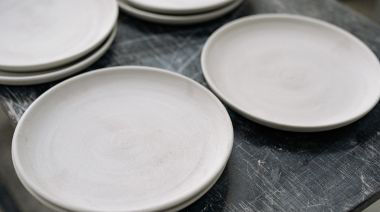

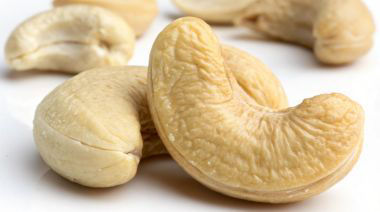
Goan doce bhaji is made from chana dal, coconut, sugar, and ghee. It is slow-cooked, that is, set in a mould or dish and cut into diamond-shaped pieces during festive occasions.

Share
Save for later
Seafood

Prawn Congee Recipe For A Gentle And Filling Rice Bowl
47mins
|Easy
Share
Save for later
Veg
Baked Brownie Oatmeal: Fudgy Chocolate Breakfast Treat
40mins
|Easy
Share
Save for later
Veg
Unniyappam Recipe: Soft Kerala Banana Jaggery Sweet Bites
87mins
|Easy