 Search
 Login
LoginCherry Galette
 American
 Easy
Easy Dessert


Cherry Recipes For Rainy Days: Warm And Cosy Cherry Galette
Cherry Galette
90 mins
Cooking Time
Easy
Difficulty
12
Ingredients
Veg
Diet
Monsoon calls for cherry recipes, and cherry galette fits right in and is cosy and warm. This dessert looks like it requires far more skill than it actually does, and unlike a traditional pie, a galette skips the pie dish altogether. The dough is rolled into a rough circle, the filling is piled in the centre, and the edges are simply folded up and over, pleating as you go, with the slightly imperfect, free-form shape being the entire point. It does not need any lattice work or any pastry-making skills that an ornate pie demands.
The crust here is a classic all-butter pastry, built in a food processor, using cold butter that leads to the flaky, layered texture once baked. You can make the dough, more than you need, and make it two days in advance and freeze it for longer storage. The filling for this cherry galette is simple, using fresh cherries, sugar, cornstarch, vanilla extract and almond extract. The almond extract is a small addition but makes a noticeable difference, drawing out the cherries' natural depth without tasting distinctly of almond.
How to make a cherry galette at home comes down to one key technique – the fold. You have to work around the circle of dough, lift the edge up and over the filling every three to four inches, slightly overlapping each fold as you go. This creates the signature pleated border while leaving the centre of the fruit exposed to heat, which is exactly what allows the cherries to bubble, concentrate, and caramelise at the edges. For best results, use fresh, in-season cherries, which will always give the best flavour.
Ingredients
UNITSIngredients
1¼ cupsAll-purpose flour (For the pie crust)
2 tbspGranulated sugar
¼ tspSalt
½ cupUnsalted butter (cold, cut into cubes)
2-3 tbspIce water
1Egg (for egg wash)
700 gmFresh cherries (rinsed and pitted) (For the cherry filling)
¼ cupGranulated sugar
¼ cupCornstarch
½ tspVanilla extract
½ tspAlmond extract
To finishCoarse sugar (optional, for topping)
No-Bake Cherry Cheesecake Recipe For Parties, Birthdays And More
No-Bake Cherry Cheesecake is a classic American dessert loved for its rich texture and effortless preparation. Unlike baked cheesecakes that require careful temperature control, this version relies on chilling to set the filling. The contrast between the buttery crumb crust, smooth cream cheese layer, and glossy cherry topping makes every bite satisfying. Many home cooks turn to this no-bake cheesecake recipe during warmer months when they want a special dessert without switching on the oven. It is an excellent choice for gatherings, birthdays, potlucks, and festive meals because it can be prepared well in advance and stored in the refrigerator until serving time. The dessert gained popularity in North America during the mid-20th century as convenience ingredients such as cream cheese and canned fruit fillings became household staples. Today, it remains a favourite because it is beginner-friendly, adaptable, and delivers bakery-style results with minimal effort.202 minseasyFather's Day 2026: Make Loaded Potato Skins The Star Of Your Family Dinner
These loaded potato skins are the perfect addition to a Father's Day menu that's a little bit more special than your typical weekend dinner. Cheddar is grated into the potatoes, followed by crispy bacon and a hint of smoked paprika for a bit of spice. They do not really belong to breakfast or dessert, but consider them the savoury snack for lunch and dinner or simply enjoy them as a standalone with a cold beverage. The crunchy potato shell, the melted cheese that's gooey, and the cool swirl of Greek yoghurt at the end balances the richness. Roast the whole potatoes until they are tender, then scoop out the inside and fill with butter, seasoning, cheese and bacon. With a quick run under the broiler, everything will melt together and crisp up the edges. There's no fancy equipment required to prepare this loaded potato skins recipe. You just need a sheet pan and an oven. If you're inviting people to dinner this Father's Day, this potato skins recipe is perfect because it should be easy to make a double batch. Once potatoes are in the oven, it requires little hands-on attention. This is even easy to accomplish for beginners. When you have leftovers, simply store them in the refrigerator for 1-2 days. Do not add the yoghurt and the green onions or chives until you are ready to reheat and serve. They will be just as delicious the second time.76 minseasyBeer Cheese Dip Recipe For Father's Day Snack Platters
Beer Cheese Dip is a warm and comforting appetiser that combines melted cheese with ale to create a velvety, flavour-packed dip. Popular in pubs and sports bars across parts of the United States, it is known for its rich texture and savoury taste. The ale adds depth without overpowering the cheese, making every bite satisfying. This dish is especially popular during cooler months, game-day parties and casual family gatherings. Around Father's Day, many home cooks prepare it as a sharing snack because it pairs well with pretzels, bagels and toasted bread. The combination of smoked cheddar and mozzarella creates a smooth consistency that stays enjoyable for dipping. A good cheesy ale dip balances creaminess, seasoning and gentle malt flavours. This version uses a classic roux-based method that helps achieve a silky finish while preventing lumps. It is easy to prepare in one saucepan and can be served straight from the stove for maximum flavour and texture.15 minseasy
Plate it up!
Plate it up!
Plating Instructions
Plating Instructions
Slice the galette into wedges and serve on a dessert plate with the open centre as the focus.
Pairing Instructions
Pairing Instructions
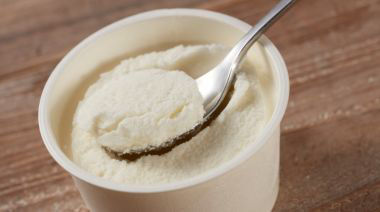
The cherry galette is best paired with a scoop of vanilla ice cream or whipped cream.
Garnishing Instructions
Garnishing Instructions
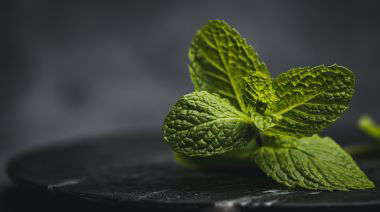
Dust with powdered sugar and add a sprig of fresh mint leaf over the cherry galette.
A galette is typically made from pastry dough that is baked into a flaky crust, wrapped around a filling of fruit, vegetables, cheese, or other ingredients.