 Search
 Login
LoginTibetan Mokthuk
 Intermediate
 Soup
Soup


Comforting Momos Recipe: Soupy And Savoury Tibetan Mokthuk
Tibetan Mokthuk
85 mins
Cooking Time
Intermediate
Difficulty
26
Ingredients
Non Veg
Diet
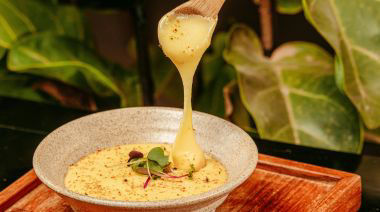
If you want to try a momos recipe beyond the ordinary, then you must try the mokthuk, which combines two of the most beloved elements of Tibetan cooking, momos and thukpa, into a soul-warming bowl. The foundation of a good mokthuk is the stock. Chicken bones are sautéed with onion, carrot, celery, and leeks before water is added, and the whole thing is left to slow-cook on low heat for 30-35 minutes.
Because the focus of this momos recipe is the combination of the momos served with the soup, the filling is quite simple. The stuffing has chicken mince, with ginger, garlic, green chillies, some soy sauce, and spring onions. The ingredients are just enough to produce scrumptious momos without overpowering the broth. The half-moon shape of the momo, which is achieved by pleating and sealing them shut on one side, stays true to its Tibetan and Himalayan momo-making traditions. It’s easier to shape than to make the round pleated version.
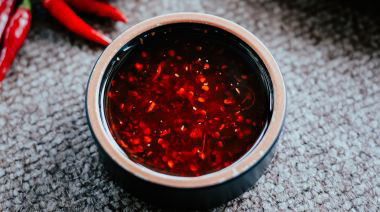
Because the dumplings will be cooked submerged in liquid rather than sitting above it, the dough of the momos recipe should be made slightly thicker, so that the momos do not disintegrate and spill their stuffing when they are cooked in the soup. Roll each disc to a medium thickness rather than tissue-thin for the best results. This mokthuk is slightly special as there is a sauté in the end that enhances its flavour, and also adds the vitamin-rich pak choi right at the end, into the soup. It is served with chilli oil generously and a scattering of fresh coriander.
Ingredients
UNITSIngredients
200 gmChicken bones (For the stock)
1 tbspOil
1 mediumOnion (diced, layers separated)
1 smallCarrot (peeled, roughly chopped)
3-inch pieceCelery stick (roughly chopped)
¼ cupLeeks (chopped)
12-15Black peppercorns
5-6 cupsWater
200 gmChicken keema (For the momo stuffing)
½ tbspGinger (finely chopped)
½ tbspGarlic (finely chopped)
1-2Green chillies (finely chopped)
to tasteSalt
to tasteCrushed black peppercorns
½ tspSoy sauce
1Spring onion with greens (finely chopped)
1 cupRefined flour (maida) (For the Momo dough)
¼ tspSalt
⅓ to ½ cupWater
1 tbspOil (For the soup)
1½ tspGarlic (finely chopped)
2 tbspSpring onions (finely chopped)
1 mediumCarrot (peeled, vertically halved, thinly sliced)
to tasteSalt
10-12 leavesPak choy (roughly torn)
To servecrunchy chilli oil, fresh coriander

Thukpa typically contains noodles as the base, while mokthuk replaces them with momos. Both are Himalayan broth-based soups, but mokthuk is richer and more filling due to the stuffed dumplings.

Share
Save for later
Veg + Dairy

Spinach Corn Sandwich: A Café-Style Treat Made At Home
34mins
|Easy
Share
Save for later
Soft Strawberry Cream Sandwich For A Sweet Midday Treat
48mins
|Easy