Raoh ki kheer is a lesser-known regional dessert where sugarcane juice replaces milk, giving the dish a deep, earthy sweetness. The flavour feels closer to jaggery-based sweets but with a fresher, grassy note that comes directly from the cane juice.
Often prepared during harvest seasons, this traditional sugarcane kheer reflects how local ingredients shape everyday cooking. The addition of lassi helps balance the sweetness while also clarifying the juice during cooking, resulting in a smoother texture.
What makes Raoh ki kheer stand apart is its layered texture: soft rice grains, crunchy peanuts, and mild cardamom aroma. It is not overly thick like regular kheer, which makes it lighter and easier to enjoy after a heavy meal.
Pour the sugarcane juice through a fine strainer into a deep vessel. This removes any fibrous residue and dirt that may affect texture. Place the vessel on medium heat and begin warming the juice slowly while stirring to prevent sticking at the bottom.
Description - Step 2
Step 2: Boil gently
Allow the juice to come to a gentle boil while stirring occasionally. As it heats, you’ll notice light foam forming on the surface. Keep the flame controlled so the juice doesn’t overflow and continues to reduce slightly.
Description - Step 3
Step 3: Add lassi
Pour in the lassi and stir continuously. This step helps separate impurities, which rise to the top as scum. Carefully skim off this layer using a spoon to keep the base clean and smooth.
Description - Step 4
Step 4: Cook rice
Add the washed rice into the boiling liquid and reduce the flame. Let it cook slowly, stirring at intervals so the grains don’t stick. The rice should soften fully while absorbing the sweetness of the juice.
Description - Step 5
Step 5: Add nuts
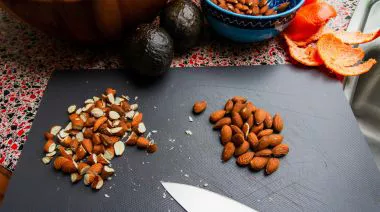
Once the rice is cooked, add roasted peanuts and chopped almonds. Mix gently so the nuts are evenly distributed. This adds both crunch and depth, balancing the softness of the kheer.
Description - Step 6
Step 6: Finish flavouring
Sprinkle cardamom powder and stir well. Let the kheer simmer briefly so the aroma blends into the mixture. Turn off the heat and allow it to rest for a few minutes before serving.
Raoh ki kheer uses sugarcane juice instead of milk, along with rice, lassi, and nuts. This gives it a naturally sweet, earthy flavour unlike regular milk-based desserts.
Traditional sugarcane kheer skips milk entirely and relies on sugarcane juice for sweetness. The taste feels lighter, with a mild grassy note and less heaviness.
Lassi helps separate impurities from the sugarcane juice while cooking. It also balances sweetness slightly, giving the final dish a smoother and cleaner taste.
Yes, but it’s best consumed fresh. On storing, it may thicken slightly and lose some of its fresh sugarcane flavour, so reheat gently before serving.
Keep stirring during cooking and avoid overcooking the rice. If needed, add a splash of warm water to adjust the consistency before serving.
 Search
 Login
Login Indian
 Intermediate
 Dessert



?fmt=webp)


 Instagram
 Facebook
 Youtube