 Search
 Login
LoginButter Naan
 Indian
 Intermediate


Homemade Butter Naan: Make Soft Restaurant-Style Naan At Home
Butter Naan
30 mins
Cooking Time
Intermediate
Difficulty
11
Ingredients
Veg
Diet
Butter naan is one of the most iconic Indian breads, often associated with restaurant meals, rich curries, and indulgent dining experiences. Traditionally baked in a tandoor, this bread develops its signature soft interior and slightly charred, smoky exterior from the intense heat of clay ovens. However, with the right technique, it’s entirely possible to recreate a similar texture at home using a simple pan.
This homemade version focuses on accessibility without compromising on flavour or texture. The combination of yoghurt and milk in the dough plays a crucial role in achieving that soft, pillowy bite. Yoghurt adds a slight tang while also tenderising the dough, and milk enriches it, giving the naan a subtle sweetness and softness that stays even after cooling.
One of the defining characteristics of butter naan is its ability to complement a wide variety of dishes. Whether paired with creamy paneer gravies, robust lentil dishes, or spicy curries, naan acts as both a vessel and a flavour enhancer. Its slightly chewy texture allows it to scoop up gravies effortlessly, making every bite more satisfying.
Another reason this bread remains a favourite is its versatility. It can be kept plain, brushed generously with butter, or elevated with toppings like garlic and coriander. Each variation brings a different layer of flavour, making it adaptable for both everyday meals and special occasions.
Making naan at home also gives you control over ingredients and freshness. Unlike store-bought versions, freshly made naan has a softness and aroma that’s hard to replicate. The process itself is straightforward, and once you understand the basics, it becomes a reliable addition to your cooking repertoire.
Ingredients
UNITSIngredients
2 cupsAll-purpose flour (maida)
to tasteSalt
1 teaspoonSugar
1 teaspoonBaking powder
¼ teaspoonBaking soda
½ cupyoghurt (curd)
½ cupMilk
2 tablespoonsOil
3 tablespoonsButter (for brushing)
1 tablespoonGarlic (optional) (finely chopped)
2 tablespoonsFresh coriander (optional)
Khapli Atta Bhatura That Turns Golden, Puffy And Delicious
Khapli Atta Bhatura is a delicious variation of the popular North Indian fried bread. Instead of refined flour, this version uses Aashirvaad Chakki Khapli Atta, which is made from ancient Khapli (Emmer) wheat. This heritage grain has been valued in Indian kitchens for generations and offers a richer taste than many modern wheat varieties. Made with carefully selected wheat that passes over 40 quality checks, khapli atta contains 30% more protein than regular wheat and is naturally rich in dietary fibre. These qualities make it a thoughtful choice for home cooks looking to add more wholesome ingredients to traditional recipes without sacrificing flavour. This recipe works particularly well for family brunches, festive spreads, and chole-bhature meals. The dough ferments with curd and leavening agents, helping the bhaturas puff beautifully while maintaining a satisfying bite. The result is a golden, airy bread that pairs wonderfully with spicy curries and tangy accompaniments.100 minsintermediateKhapli Wheat Methi Khakra Recipe For Snacking
Anything khapli wheat is wholesome, thanks to its higher fibre and protein content as compared to the typical maida or other whole wheat atta. Brands like Aashirvaad Chakki Khapli Atta emulate this with the goodness of iron and vitamin B1, plus being low in sugar and fats. Use this atta, which is made from an ancient, unprocessed grain, to make the Gujarati recipe of methi khakra and make snacking guilt-free. Methi khakra is a crispy roti-like snack that comes from Gujarati cuisine, which incorporates fresh methi leaves in it, which peak during wintertime. Khapli wheat has a nutty and earthy taste that goes well with the vegetal bitter taste of methi or fenugreek leaves. Khapli wheat is prized for its lower gluten content, higher fibre, and richer mineral profile, making it an excellent choice for health-conscious consumers. Khapli wheat methi khakra is made with thinly rolled out rotis that are roasted on a tawa over low heat while pressing firmly. This technique is what gives khakras their characteristic crunch and lightness. Khakra is seasoned with cumin, ajwain, and some chilli, and delivers a combination of flavours for a seemingly plain-looking snack. It goes well with a cup of masala chai or a simple yoghurt dip.55 minsintermediateHow to Make Vegan & Fibre-Rich Guvar Dhokli Nu Shaak
In Gujarati, shaak refers to vegetables and their preparations, so essentially it means you are dealing with a Gujarati sabzi recipe and not exactly a leafy green called ‘shaak’. One of the many shaak recipes is the famed guvar dhokli nu shaak, named after the cluster beans (guvar phali) and the spiced wheat-and-gram-flour dumplings (dhoklis). The dish is comforting, light and nutritious enough to be enjoyed with rotis or rice for lunch or dinner. It is a one-pot dish that starts with the typical Gujarati tempering of mustard seeds, cumin seeds, asafetida (hing), curry leaves, and chilli. Then add the cluster beans, spices, and water, and simmer the handmade dhoklis into a wholesome curry. The dish features the typical Gujarati flavours of sweet, sour, salty, and spicy, all from the combination of spices, lemon juice and jaggery used in it. Guvar dhokli nu shaak is also a nutritionally dense meal. Cluster beans are an excellent source of fibre, iron, and plant protein, while wheat-besan dhoklis contain slow-digesting carbohydrates and some protein. The tangy-sweet finish from jaggery and lemon keeps blood sugar from crashing. Whether you are cooking it for a quick weekday lunch or as part of a festive thali, learning how to make this comforting dish is a rewarding experience that keeps the regional cooking alive.35 minsintermediate
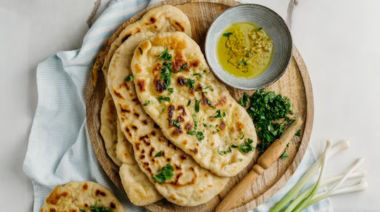
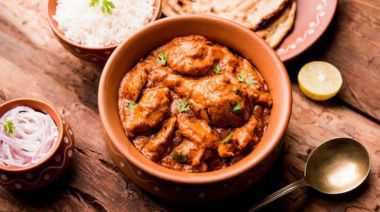
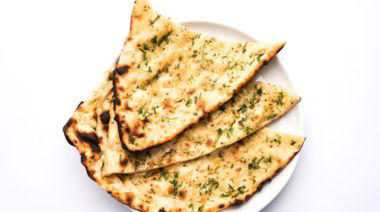
The combination of yoghurt and milk helps create a soft dough, while proper resting allows the gluten to relax, resulting in a tender and airy texture.

Share
Save for later
Veg

Fluffy Stuffed Naan with Kale & Paneer
25mins
|Intermediate