 Search
 Login
LoginButter Pudding
 British
 Easy
Easy Dessert


Bread And Butter Pudding: Classic Easter Baked Dessert Treat
Butter Pudding
54 mins
Cooking Time
Easy
Difficulty
9
Ingredients
Veg + Egg
Diet
Bread and Butter Pudding has roots in British kitchens, where leftover bread was transformed into a warm baked dish using milk and eggs. Over time, it became a familiar Easter dessert served during family meals, especially when simple pantry ingredients were all that was needed to create something comforting and satisfying.
This version carries a gentle twist with cardamom and nutmeg, bringing a subtle Indian warmth to the custard. The contrast between the soft, soaked bread and the lightly crisp top layer makes this Easter dessert enjoyable both warm and slightly cooled. Raisins add small bursts of sweetness in every spoonful.
It works well for gatherings or quiet weekend baking, offering a balanced texture without needing special equipment or advanced baking skills.
Ingredients
UNITSIngredients
6White bread slices
for applyingButter
1 1/2 cupsMilk
1/4 cupCastor sugar
2Eggs
1 teaspoonVanilla essence
a pinchNutmeg powder
1/4 teaspoonGreen cardamom powder
2 tablespoonsRaisins
Plate it up!
Plate it up!
Plating Instructions
Plating Instructions

Serve warm in a shallow bowl to highlight the soft layers.
Pairing Instructions
Pairing Instructions

Pair with light tea or black coffee to balance the sweetness.
Garnishing Instructions
Garnishing Instructions
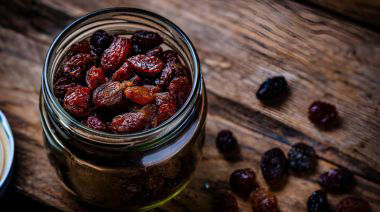
Dust lightly with powdered sugar or add a few extra raisins on top.
Yes, you can replace eggs with custard powder mixed in milk. The texture will be slightly different but still soft and set, making it suitable for egg-free preferences.

Share
Save for later
Veg

Kheer Ice Cream: A Delicious and Decadent Frozen Dessert
298mins
|Easy
Share
Save for later
Veg
Basundi: A Rich and Creamy Indian Dessert
60mins
|Easy