 Search
 Login
LoginKakori Kebab
 Mughlai
 Intermediate
 Appetizer


Easy Homemade Kakori Kebabs: Tender, Fragrant And Bursting With Flavour
Kakori Kebabs
40 mins
Cooking Time
Intermediate
Difficulty
19
Ingredients
Non Veg
Diet
The smokiness, velvety texture, and delicate spice of Kakori kebabs have made them a culinary icon of India's Mughlai cuisine. The nawabi tables of Lucknow take great pleasure in this kebab, which is traditionally grilled slowly over coals. The distinctive melt-in-the-mouth bite is achieved by blending finely chopped mutton with raw papaya for softness, seasoning it with garam masala, nutmeg, and black pepper, and then enriching the dish with cream and ghee. Skewers are used to shape the kebabs, which are then cooked on a grill or pan. For an extra restaurant-style touch, charcoal smoke (dhungar) may be added at the end.
Homemade Kakori kebabs are ideal for iftar, special meals, or celebratory occasions, as they are juicy, fragrant, and very tender. Serve with mint chutney, crisp onions, and lemon for a taste of a royal meal.
Ingredients
UNITSIngredients
500 gMinced mutton (keema)
2 tbsp Raw papaya, grated
3 tbspBrowned onion paste
1½ tbspGinger-garlic paste
2 tbspRoasted chana dal powder (or besan)
2 tbspGhee
2 tbspFresh cream
1Green chili, finely chopped
2 tbspFresh coriander leaves (chopped)
1 tspGaram masala
1 pinchNutmeg powder
½ tspBlack pepper powder
to tasteSalt
1 tbspLemon juice
1 tbsp Saffron milk
½ tspRose water
for bastingGhee or butter
metal or soakedSkewers (seekh)
for smokeCharcoal
Chicken Reshmi Kabab Recipe: Simple And Restaurant Style
Reshmi kebab recipe might not be as visible as tikkis and shami kebabs, but it is still loved for its incredibly soft, creamy texture and mild flavour. The word ‘reshmi’ literally means ‘silky’, which perfectly describes the smooth, melt-in-the-mouth texture of this kebab. Usually, reshmi kebab is prepared with boneless chicken pieces, which are marinated in a creamy mixture (of yoghurt and cream) that softens the meat and enhances its delicate taste. A traditional reshmi kebab recipe uses a marinade made from yoghurt, fresh cream, cashew paste, ginger, garlic, lemon juice, and mild spices such as cumin, coriander, and garam masala. Sometimes almonds, cashews, or even cheese are added to enrich the marinade further. After marinating for several hours, the chicken is threaded onto skewers and grilled, roasted, or cooked on a stovetop until tender and slightly charred. The finished reshmi kebabs are usually served hot with mint chutney, onion rings, and lemon wedges, making them a popular starter at barbecues and festive meals. Because of their mild spice level and creamy marinade, the reshmi kebab recipe appeals to people who prefer less heat but still want rich flavour. Whether cooked in a tandoor, on a grill, or in a pan, these kebabs remain one of the most beloved creamy chicken kebab dishes in Indian cuisine.270 minsintermediateAuthentic Mughlai Mutton Korma: Slow-Cooked Royal Flavours
Mutton Korma is a royal dish from Mughlai cuisine where meat is gently cooked in whole spices, barista, cashew paste, and aromatics. Traditionally slow-cooked, the korma develops a deep, layered flavour profile—spicy yet balanced, rich yet subtle. Mustard oil brings depth while kewra water adds its signature fragrant finish.225 minsintermediateChicken Malai Kofta Recipe For A Creamy Dinner
Chicken Malai Kofta (also known as Shahi Chicken Kofta) features succulent minced chicken balls delicately spiced with garam masala and ginger-garlic, simmered in an ambrosial gravy enriched with yoghurt, cashews, and cream. If you want to learn how to make Chicken Malai Kofta at home easily, try this simple recipe.75 minsintermediate
Plate it up!
Plate it up!
Plating Instructions
Plating Instructions
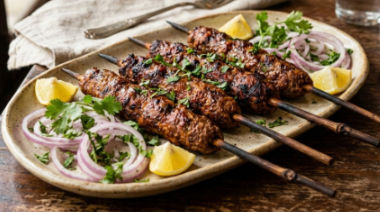
Arrange the skewer-intact kebabs on a flat dish and top with onion rings and lemon wedges.
Pairing Instructions
Pairing Instructions
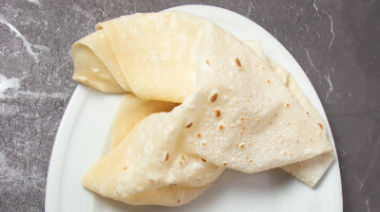
Pair with ulte tawa ka paratha, roomali roti, or a mild pulao for a taste of Mughlai cuisine.
Garnishing Instructions
Garnishing Instructions
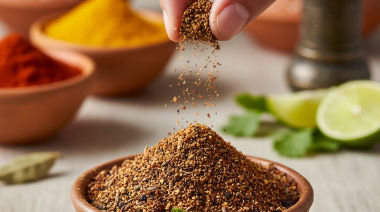
To give it a final, zesty kick, add a pinch of chaat masala and some lemon juice.

Share
Save for later
Non Veg

Chicken Dakbangla
100mins
|Intermediate
Yes, you can use a heavy skillet to cook the kebabs or even bake them in the oven. To keep them juicy and flavourful, baste them often.