 Search
 Login
LoginRaw mango pithla
 Indian
 Easy
Easy Main Course


Maharashtrian Raw Mango Pithla Recipe For Lunch
Raw Mango Pithla
19 mins
Cooking Time
Easy
Difficulty
14
Ingredients
Vegan
Diet
Pithla recipe is the ultimate comfort food in Maharashtra homes that is simply made with gram flour or besan and onions, which is why it is also called kanda besan. This dish is a little different as it uses raw mangoes or kairi in the dish to turn the dish slightly green and also sour. It is on the spicier end, with the raw mangoes adding a bit of sourness and a spicy chilli-garlic chutney that is added to the tadka. The tadka is made with mustard seeds, cumin seeds, curry leaves, and hing, followed by spices and the besan.
What makes this raw mango pitla recipe appealing is how light it tends to be, and it can be made thin and soup-like (jhunka-style) or kept thick like a dip-style pithla, depending on the amount of water added. Marathi cooking relies on fresh garnishes or fried nuts, and this recipe is no exception, using crushed fried peanuts as a final finish. It is best eaten hot with the gluten-free flatbreads of jowar or bajra rotis.
It is the perfect dish to make when you run out of vegetables, eggs or meat and want something quick yet filling. Its preparation is similar to the besan kadhi, but this one does not have yoghurt, and the gram flour is roasted before the onions are added. Pithla recipes dominate eateries called Zunka Bhakar Centres with a side of chilli garlic chutney.
Ingredients
UNITSIngredients
5 tbspBesan (gram flour)
2 tspOil
1 tspMustard seeds
1 tspCumin seeds
8-10Curry leaves
a pinchAsafoetida (hing)
1Onion (medium, finely chopped)
¼ tspTurmeric powder
1 tbspGreen chilli and garlic paste
3 tbspRaw mango (grated)
2 cupsWater (as needed)
to tasteSalt
2 tbspCoriander leaves (chopped) to garnish
2 tbspRoasted and crushed peanuts (optional)
Spiced Coconut-Dal Porridge Recipe: A Creamy, Cooling Summer Breakfast Bowl
Spiced coconut-dal porridge recipe is a warm South Indian inspired dish made with moong dal, rice and coconut milk. It's a light, cooling moong dal porridge typically consumed as a light, cooling breakfast particularly on warm mornings when a light but filling breakfast is desired. This recipe is inspired by the simple home cooking of the South Indian people, and uses the naturally cooling coconut milk with the warming spices to provide a balance of warmth and nourishment. This porridge is prepared by slowly cooking rice and Aashirvaad moong dal till it’s soft and creamy and then adding coconut milk to it for smoothness. On top of this, a quick tempering is done with Aashirvaad Aashirvaad mustard seeds, curry leaves, grated ginger, cumin and black pepper which add aroma and depth of flavour. The end result is very soft, lightly seasoned with just a hint of spice, and just right for a healthy breakfast, not too heavy, nor too light. You can store leftovers in an airtight container in the refrigerator for up to a day. Reheat gently with a little water or coconut milk to bring back its creamy consistency. This porridge complements really well the hot sambar or coconut chutney or even a cup of filter coffee for a complete breakfast.50 minseasyRajasthani Jaiphali Aloo Sabzi Recipe For Dinner
Jaiphali aloo sabzi recipe is a traditional Rajasthani dish that takes the beloved aloo and mixes things up with jaiphal, or nutmeg, as the base flavouring. Unlike most Indian potato dishes that rely on a tomato or onion gravy base, this Rajasthani dish is dry and a stir fry sabzi, that uses a handful of spices, making for a minimal dish. All you need to do is boil potatoes and toss them in an aromatic blend of cumin, fresh ginger, green chilli, nutmeg, fennel, and coriander powder. Jaiphali aloo has its roots in the kitchens of Rajasthan, where spices have long been an integral part of its cuisine to elevate simple, everyday dishes. The combination of ground jaiphal (nutmeg) and saunf (fennel) gives this aloo sabzi recipe a distinct earthy and slightly sweet flavour, with a faint warmth that lingers on the palate. It is the kind of sabzi that surprises first-time eaters because potatoes tend to taste a certain way, usually salted or drowned in masala, with so few ingredients. This aloo sabzi recipe is vegan and gluten-free, making it perfect for a wide range of cooks, who might be cooking for people with dietary restrictions. It pairs well with dal, roti, steamed rice, or as a side dish with a simple kadhi. The total cooking time is under 35 minutes, and no grinding or marination is required for the potatoes. Jaiphali aloo is a reliable weekday staple that is also perfect for busy mornings or tiresome weekday nights, good with roti and other flatbreads.35 minseasyWatermelon Rasam Recipe: A Sweet, Tangy, And Spicy Soupy
Rasam recipe is a staple across seasons, but summer is where it really hits the spot, because this thin broth is spicy, which tends to promote sweating. It is also known to replenish the lost electrolytes, which are usually lost during sweating. It is also a great gut health food and known to be light on the stomach. Fun fact: Mulligatawny soup’s ancestor was rasam, which was adapted to suit British tastes by turning it into a soupy, stew-like delicacy. With creative rasam recipes ruling the summer food list, watermelon rasam is something unique and uses watermelon juice in it, for a super-hydrating dish. This particular rasam recipe ditches the tomato and replaces it with watermelon, with the tamarind doing the heavy lifting when it comes to the dish’s sourness. The watermelon makes this rasam slightly sweet as well. Both the tamarind and watermelon add salts that help rehydrate the body. The spices in any rasam recipe are carefully chosen to be gut-friendly, like cumin, black pepper, and asafoetida. These spices are known to improve digestion and help with bloat. Rasam also acts like a detoxifier, given how it is recommended for consumption while recovering from illnesses, especially cough and cold. Consume this rasam over a bed of piping hot steamed rice with vegetable, fish or meat side dishes.30 minseasy
Plate it up!
Plate it up!
Plating Instructions
Plating Instructions

Serve the raw mango pithla in a steel vati or katori as a part of a Maharashtrian thali.
Pairing Instructions
Pairing Instructions
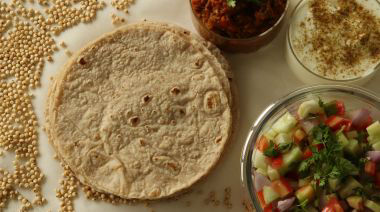
Raw mango pithla with any kind of bhakri with a side of raw onion, green chilli, and a pickle like lemon or mango achar.
Garnishing Instructions
Garnishing Instructions
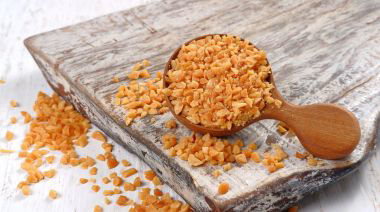
Scatter a small handful of crushed roasted peanuts and fresh coriander on top.
A medium-sour raw mango works best. The very young green mangoes can be overwhelmingly sour. Taste the grated kairi before adding and adjusting the quantity.


