

Makhmali Kali Mirch
 Indian
 Intermediate
 Main Course


Makhmali Kali Mirch Chicken: Creamy & Spiced Comfort
Makhmali Kali Mirch Chicken
55 mins
Cooking Time
Intermediate
Difficulty
12
Ingredients
Non Veg
Diet
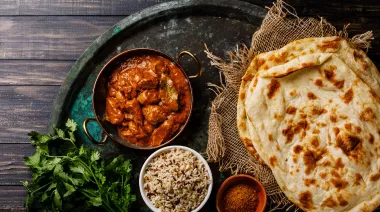
A creamy, Makhmali Kali Mirch Chicken Tikka made with tender marinated chicken, a smooth onion-cashew gravy, and the bold flavour of crushed black pepper. Easy to cook, rich in taste, and perfect to enjoy with roti, naan, or rice.
Ingredients
UNITSIngredients
Chicken Tikka Marinade:
500 gramsBoneless Chicken (cut into cubes)
1 tsp Ginger-Garlic Paste
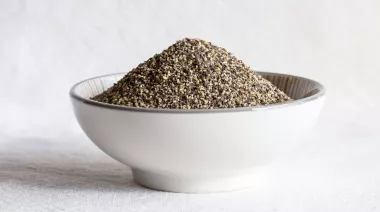
Crushed Black Pepper
½ tspSunrise Chicken Tikka Masala
to tasteSalt
2-3 tbspCurd (Yoghurt)
Gravy Paste(White Gravy):
as requiredWater
1Onion (sliced)
as neededCashews
Final Gravy:
as desiredButter
as requiredCream
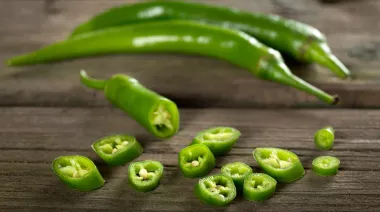
2Green Chillies (chopped)
Posto Mangsho Recipe: A Bengali Recipe Featuring Mutton Curry With Poppy Seed Paste
Kosha mango (a drier form) or mutton curry are Bengali staples reserved for a Sunday or a special occasion, often loved wth steaming rice or a plate of hot and fluffy luchis. Meet another Bengali recipe, posto mangsho, where the mutton curry is given the poppy seed paste treatment: it is made from poppy seeds soaked in hot water for 15 minutes to soften them and then ground with green chillies and salt. This is added to the mutton marinade, which is later cooked in the Bengali favourite mustard oil. Posto is one of the defining ingredients of Ghoti Bengali cooking, as opposed to Bangal households whose roots lie in what is now Bangladesh. Ghotis are known across Bengali culinary culture for their deep attachment to posto, and this affection manifests in a range of preparations like aloo posto, shukto, and the more indulgent posto mangsho. This does not imply that Bangals or Bangladeshis do not cherish their posto; they do and also enjoy an array of dishes, including the three mentioned here. Humans, after all, are hardly homogenous in their food habits. The mutton is marinated overnight, or for at least four hours, for it to tenderise and give you that fall-off-the-bone quality. The marinade of turmeric, red chilli powder, cumin powder, Bengali garam masala, salt, sugar, and mustard oil penetrates the meat well, seasoning it from the inside and tenderising the fibres before any heat is applied. Mutton with fat is preferred for this recipe; leaner cuts cook up drier and lack the richness that makes the gravy so satisfying. Rewaji khasi is something you might want to use at a Bengali butcher shop to refer to mutton with a generous fat cover.4 minsintermediateDaab Chingri: A Coastal Classic Wrapped in Nostalgia
In the heart of a Durga Puja grand lunch, there is one dish that captures the essence of Bengal—Daab Chingri. Imagine prawns cooked inside a tender coconut, absorbing its sweet, nutty nectar, and then paired with steaming hot rice. It isn’t just a curry; it is an emotion where the flavour literally bursts in your mouth.50 minsintermediateBengali Chingri Malai Curry Recipe To Celebrate Durga Puja
Chingri Malai Curry is a festive Bengali delicacy, often cooked during Durga Puja and other celebrations. Juicy prawns are marinated and lightly sautéed, then simmered in a creamy coconut milk gravy with cashew paste, mustard, onions, and spices. The result is a rich, mildly spiced curry that pairs beautifully with plain steamed rice.24 minsintermediate
Step 1
Marinate the Chicken
00:19
Step 2
Prepare the Gravy Paste
00:29
Step 3
Cook the Chicken Tikka and Gravy
00:37
Step 4
Serve and Garnish
00:48

Share
Save for later
Non Veg

Moringa Chicken Soup
20mins
|Intermediate
Share
Save for later
Non Veg
Chicken Dakbangla
100mins
|Intermediate
Share
Save for later
Non Veg
Spicy Tangy Hyderabadi Chicken 65: Crispy Appetizer
50mins
|Easy