

Garlic Butter
 Italian
 Easy
 Main Course


Quick And Delicious 15-Minute Creamy Garlic Butter Pasta Recipe
Garlic Butter
15 mins
Cooking Time
Easy
Difficulty
8
Ingredients
Veg
Diet
This creamy garlic butter pasta relies on timing rather than excess ingredients. Butter acts as the flavour carrier, garlic builds aroma without sharpness, and cream provides body without heaviness when heated correctly. Pasta water binds everything together, creating a smooth, clingy sauce that coats each strand evenly in under fifteen minutes.
Ingredients
UNITSIngredients
200 gDried pasta (spaghetti or fettuccine)
2 tbspButter
6 clovesGarlic, finely chopped
½ cupFresh cream (120 ml)
¼ cupMilk (60 ml)
½ tspBlack pepper, freshly ground
to tasteSalt
¼ cupPasta cooking water, (reserved)
Homemade Pasta Recipe Featuring A Beetroot Pasta Dough
This homemade pasta recipe is found everywhere from northern Italy down to Sardinia, and it's easy to see why it's stuck around. For the picky eaters, something tinted pink can be a delight, as beetroot pasta dough turns an everyday egg pasta into something with a striking, jewel-like pink hue. The dye comes from a vegetable already common in most kitchens. The beetroot puree, besides adding colour, adds moisture and a faint, earthy sweetness to the dough alongside the eggs, giving it a subtle flavour. The technique for this homemade pasta recipe follows the classic Italian egg pasta method almost exactly, with one small addition. Cooked beetroot is drained, then blended into a smooth puree with an immersion blender, so no chunks make the pasta dough lumpy and streaky later. A mound is created with the special 00 flour, into which the puree goes, along with two eggs. The whole thing is mixed with a fork, gradually pulling in more flour from the edges, before finishing the kneading by hand once the dough is dry enough to work without sticking to the bowl. 00 flour is a very fine Italian wheat flour grind that produces soft dough and is behind fresh egg pasta’s characteristic smooth, silky texture once rolled out. Kneading this beetroot pasta dough needs a careful hand throughout, as pulling or tearing the dough while it's coming together damages the gluten structure, which is what eventually gives the rolled-out pasta enough strength to hold its shape without becoming fragile or prone to tearing.50 minseasyCacio E Pepe Dip Recipe: A Three-Cheese Fry Dip, Ready In 20 Minutes
Cacio e pepe is originally a Roman pasta dish, its name translating simply to ‘cheese and pepper’, made with spaghetti or tonnarelli tossed with Pecorino Romano, black pepper, and a little starchy pasta water to make a glossy sauce with no cream or butter involved. This cacio e pepe dip recipe borrows that same cheese-and-pepper spirit and rebuilds it as a warm, roux-based dip instead, swapping the starchy pasta water for a proper butter-and-flour roux loosened with milk, which gives it the thick, scoopable texture a dip needs. Three cheeses go into this version rather than Pecorino Romano alone: Parmesan and Pecorino Romano combined recreate the sharp, salty backbone of the original dish, while Monterey Jack is added purely for its meltability, since Pecorino alone can turn slightly grainy in a dip without a creamier cheese to smooth it out. Garlic powder and onion powder are staples that add more flavour to this no-cook dip, without overwhelming the pepper flavour that is the hallmark of this cacio e pepe dip recipe. This is the typical dip that is perfect for a variety of fries, whether plain, seasoned or the peppery kind that matches the dominant spice of this cacio e pepe dip recipe. You can also enjoy it with potato chips, tortilla chips or nachos or any other snack that is crunchy and can scoop up the dip.35 minseasyKhapli Wheat Soup Sticks Recipe For Your Daily Snack Time Crunch
Khapli Wheat Soup Sticks are crunchy breadsticks flavoured with herbal spices and made from emmer wheat, a type of grain that has been around since ancient times. Grown mainly in the states of Maharashtra and Karnataka, khapli wheat is known for its rich taste and high nutritional value. In these breadsticks, it is mixed with a blend of garlic, rosemary, chilli and Parmesan, and kneaded into a thin dough. These breadsticks are made with Aashirvaad Chakki Khapli Atta, providing a nutty and flavourful crunch that makes them great for dipping into hot, thick soups. On rainy days and during the winter, these sticks are especially delicious when paired with hot soup. The preparation method is easy, with the dough needing a little bit of yeast and being brushed with a little milk before baking. The dough is rolled into thin sticks and baked to get crispy and flavourful breadsticks.1 minseasy
Plate it up!
Plate it up!
Plating Instructions
Plating Instructions
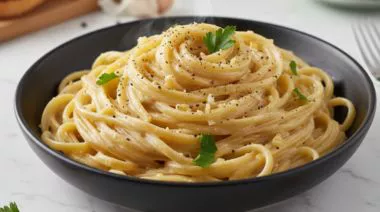
Twirl the pasta into a shallow bowl to showcase the sauce’s glossy finish.
Pairing Instructions
Pairing Instructions
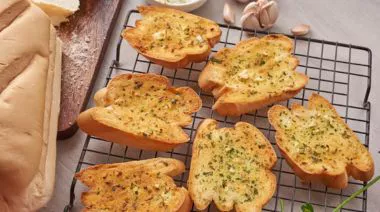
Pair this velvety pasta with crisp garlic bread or a side of sautéed asparagus to add a satisfying crunch to the meal.
&...
Garnishing Instructions
Garnishing Instructions
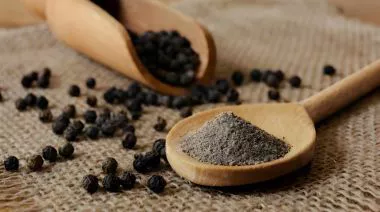
A light dusting of black pepper enhances aroma without altering flavour balance.

