

Chikki Granola
 Indian
 Intermediate
 Dessert


Sesame Chikki Granola: Crunchy Jaggery Clusters For Breakfast
Chikki Granola
25 mins
Cooking Time
Intermediate
Difficulty
7
Ingredients
Veg
Diet
Sesame Chikki Granola borrows its crunch from traditional til chikki, using jaggery syrup cooked to the correct stage to bind roasted sesame, oats, and peanuts without baking. The method focuses on heat control, quick mixing, and natural cooling so the granola sets into crisp clusters instead of sticky clumps, staying aromatic, balanced, and shelf-stable.
Ingredients
UNITSIngredients
¾ cupWhite sesame seeds (til)
1½ cupsRolled oats
½ cupRoasted peanuts, skin removed and crushed
¾ cupJaggery (solid, grated)
2 tablespoonsWater
1 tablespoonGhee
¼ teaspoonCardamom powder
Bhoger Khichudi: Temple-Style Bengali Khichdi With Ghee Aroma
Indian cuisine is truly the poster child of variety, and nothing proves that better than regional dishes. While the nation celebrates many festivals together, each region brings its own unique dish to the mix. Like Bengal's bhoger khichudi. Bhoger Khichudi is a ceremonial dish cooked as an offering, not a shortcut meal. The combination of Gobindobhog rice and lightly roasted moong dal creates a naturally aromatic base, while vegetables are fried separately to preserve their identity. Controlled water, measured ghee, and slow simmering produce the signature soft yet spoonable texture served during Bengali festivals. Since the dish is prepared as a holy offering during Hindu festivals like Durga Puja and Saraswati Puja, it completely skips the use of onion and garlic. Despite their absence, the dish is appetising enough to even make the fish-loving Bengalis leave their non-vegetarian fare, all thanks to the inclusion of seasonal veggies, spices, ghee, and herbs. The unmistakable aroma and flavour come from slow-roasting the moong dal. A symbol of devotion and a staple during pujas, bhoger khichudi is often served with accompaniments like labra (mixed vegetable curry), beguni (eggplant fritters), and chutney. Now that you're recreating the recipe at home, opt for the traditional Gobindobhog rice since it has a sweet, buttery flavour, sticky texture, and distinct fragrance. Also, ginger paste, turmeric, and Bengali garam masala are essential to authentic bhoger khichuri. Lastly, aim for a mushy, cohesive texture where rice and dal blend and don't remain separate grains.50 minsintermediateBhai Dooj 2026: Give Classic Rabdi Recipe A Fruity Twist With Pineapple
Bhai Dooj 2026 is a time to make space for a dessert that seems familiar but has a tiny surprise in every mouthful. Pineapple Rabdi is a delicious combination of the richness of slow-reduced milk and the bright, fruity taste of pineapple. It’s cold and creamy, with crunchy almonds, offering a refreshing take on the classic rabdi recipe without losing the familiar elements of the dish. The pineapple provides depth to this milk-based dessert. The sweet-tartness cuts through the richness of the reduced milk, making each mouthful seem lighter and more refreshing. But one key thing to note while making this combination: pineapple should not be added when the milk is hot. The fruit is added only after the rabdi has cooled fully, since the inherent acidity of the fruit might curdle the dairy. This rabdi recipe is especially good for a celebratory occasion since much of the preparation may be done ahead of time. Make the rabdi and let it cool. Once chilled, refrigerate it until you are ready to serve. Add the pineapple closer to serving time for a fresh taste and texture. Serve Pineapple Rabdi in separate dishes for Bhai Dooj. Garnish with chopped pistachios, almonds and a few juicy pineapple slices. It’s a simple way to give a much-loved Indian dessert a seasonal touch and finish the family dinner on a wonderful note.3 minsintermediateCelebrate Diwali 2026 With This Stuffed Gulab Jamun Recipe With A Gulkand Core
Diwali 2026 is sorted with this stuffed gulab jamun recipe, and while the traditional recipe needs no fixing, the gulab (rose) hint is subtle. This gulab jamun focuses more on that part by turning it into a stuffed sweet dish, with the centre being filled with gulkand. You can save time by using a gulab jamun mix, or if you want to go the slower route, make it from scratch patiently. What might be more common among sweet dishes for Diwali is a nutty centre or one that might have some liquid jaggery or khoya in it, but gulkand gives a regal feel. It is perfect for Diwali 2026 sweets to greet guests with or serve them at your party after a rich festive meal. You can swap the core of the gulab jamun by using a mix of chopped nuts and khoya for a surprise in the centre. The gulab jamun ingredients in this special recipe remain the same, with cardamom and saffron making their presence known. As for gulkand, which sees itself being used in many festive preparations, Ayurvedic sources say it is known to relieve heartburn, acidity and the acrid aftertaste after belching. It is the perfect addition to this sweet dish for Diwali, in terms of its flavour as well as calming effects.3 minsintermediate
Plate it up!
Plate it up!
Plating Instructions
Plating Instructions
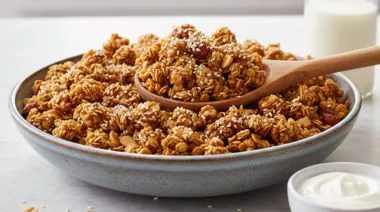
Serve in a wide bowl to showcase the jaggery-glazed clusters and sesame texture.
Pairing Instructions
Pairing Instructions
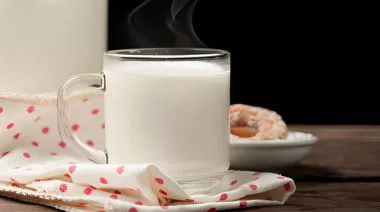
Balance the crunch with creamy yoghurt or warm milk for contrast.
Garnishing Instructions
Garnishing Instructions
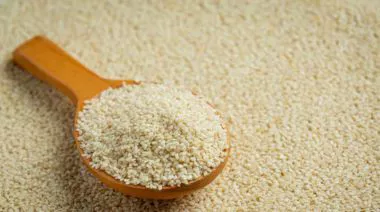
A light dusting of crushed sesame adds visual depth and aroma.

Share
Save for later
Veg

Dry Fruit Gajak: Nutritious Indian Sweet
40mins
|Easy
Share
Save for later
Veg
Tiramisu Overnight Oats: Healthy and Nutritious
10mins
|Easy