 Search
 Login
LoginBanana Cake
 Indian
 Easy
Easy Dessert


Steamed Banana Cake With Nutmeg: Quick Homemade Soft Cake
Banana Cake
73 mins
Cooking Time
Easy
Difficulty
10
Ingredients
Veg
Diet
Steamed Banana Cake with Nutmeg combines simple pantry ingredients with a no-oven method that works well in warm kitchens or small homes. This recipe uses ripe bananas, which naturally add sweetness and softness, and steaming helps retain moisture more effectively than baking.
This banana nutmeg cake has a gentle, homely flavour with a light spice note that feels just right during monsoons or cooler evenings. Nutmeg adds a subtle warmth without overpowering the fruit, making each bite balanced and comforting.
Many home cooks prefer steamed desserts when they want something quick without worrying about oven temperatures. This variation is perfect for those times when you have a bunch of bananas; it transforms this ripe fruit into a cake that is easy to slice and retains its tenderness even after cooling.
Ingredients
UNITSIngredients
2 ripeBananas (medium, mashed)
1 cupAll-purpose flour (maida)
½ cupSugar
¼ cupMilk
¼ cupNeutral oil (refined oil)
1 teaspoonBaking powder
¼ teaspoonBaking soda
¼ teaspoonGrated nutmeg
1 teaspoonVanilla extract
1 pinchSalt
Summer Immunity Drink: Almond, Date & Carrot Energy Cooler
This summer immunity drink combines fennel seeds, almonds, dates, and orange carrots into a creamy blend designed for warmer days. Almonds and dates create a naturally sweet base, while fennel adds a refreshing flavour often associated with cooling summer drinks. Carrots bring colour and blend smoothly into the mixture, giving the drink a rich texture. Quick to prepare and requiring only a handful of ingredients, this recipe works as a morning beverage, a midday refresher, or a light energy drink. Serve chilled for a simple homemade option during hot weather.10 minseasyGarlic Pepper Rasam Recipe Spicy Tamarind Soup For Rainy Days
Garlic Pepper Rasam is one of those deeply comforting South Indian dishes that instantly changes the mood of a meal. The sharpness of pepper, earthy garlic, and tangy tamarind come together in a light broth that feels soothing after a long day or during rainy weather. Many homes prepare this during seasonal changes because the warm spices help balance heavy meals while still tasting satisfying with rice. Unlike thicker gravies, this rasam recipe stays light yet layered with flavour. Freshly crushed pepper gives warmth without overpowering the broth, while curry leaves and mustard seeds add the familiar aroma found in traditional South Indian kitchens. Tomato softens the tanginess and adds a gentle sweetness that keeps the balance right. This dish is often served with steamed rice, papad, or a simple vegetable stir-fry. Some families even sip it like soup when the weather turns cold. The beauty of Garlic Pepper Rasam lies in its simplicity, as everyday pantry ingredients slowly build a flavourful bowl that tastes homely and fresh.25 minseasyChocolate Bark With Gulkand & Pistachio For A Shahi Summer Treat
Chocolate Bark with Gulkand & Pistachio brings together classic Indian sweet-shop flavours and the modern appeal of handcrafted chocolate desserts. The richness of Fabelle Intense Dark Chocolate Bar balances beautifully with floral gulkand, while pistachios add crunch that resembles festive paan fillings served after elaborate summer meals. The contrast of deep cocoa and fragrant rose preserve creates layers of flavour that feel luxurious without requiring complicated preparation. This style of dessert takes inspiration from global chocolate bark trends, where melted chocolate is topped with nuts, fruits, or spices before chilling into crisp shards. In this variation, Mughal-era influences appear through gulkand and cardamom, ingredients commonly linked with cooling summer drinks, paan, and royal desserts. Since gulkand is traditionally consumed during hotter months for its cooling properties, this chocolate bark recipe also fits naturally into Indian summer celebrations and evening gatherings. A successful shahi summer treat depends on careful texture balance. Thinly spreading the chocolate allows clean snapping once chilled, while adding toppings before the surface sets helps them adhere properly. Fabelle Intense Dark Chocolate Bar works especially well here because its strong cocoa notes prevent the dessert from tasting overly sugary despite the sweetness of the rose preserve. Light sea salt sharpens the flavours further and keeps every bite layered rather than flat.56 minseasy
Plate it up!
Plate it up!
Plating Instructions
Plating Instructions

Serve warm slices on a simple plate to highlight the soft texture.
Pairing Instructions
Pairing Instructions

Pairs well with hot tea or light coffee.
Garnishing Instructions
Garnishing Instructions
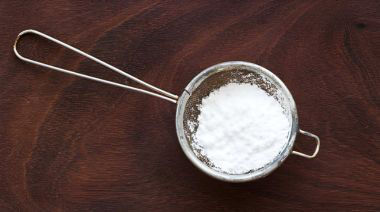
Sprinkle a little powdered sugar or extra nutmeg on top.
Yes, you can use a steel bowl or any heat-safe container. Just grease it properly and ensure it fits comfortably inside your steamer without touching the sides.

