 Search
 Login
LoginGongura Rasam
 Indian
 Easy
Easy Main Course


Cooling Gongura Rasam Recipe For Summer: Andhra-Style Gongura Recipes Featuring Rasam
Gongura Rasam
15 mins
Cooking Time
Easy
Difficulty
12
Ingredients
Veg
Diet
There are a variety of rasam recipes around the vast states of South India, and gongura rasam is from Andhra Pradesh’s Guntur district. Gongura rasam or gongura pulusu is made with gongura leaves that are sour in nature. These leaves are also called sorrel leaves and come in two varieties: the ones that are red-stemmed and the ones that are green-stemmed. The former is more sour than the latter; both can be used for rasam.
For such recipes, Andhra people like to add dal to make recipes like gongura pappu. It is also used to make chutneys, pickles and meat curries. But this is a rasam recipe, with more water content and sourness than your typical dal. The word ‘pulusu’ in Telugu refers to a tangy, stew-like preparation. While many Andhra households prepare thicker versions with toor dal (gongura pappu), gongura rasam, or pulusu, it is intentionally thinner and soupier.
The typical tempering includes mustard seeds, cumin, garlic, dried red chillies, curry leaves, and sometimes fenugreek. Some versions add chana dal or toor dal, but the emphasis remains on the leaf’s natural sourness. Andhra cooks often balance the intense sourness with a small amount of jaggery at times in their rasam recipes. Gongura is also valued nutritionally, being rich in iron, folic acid, vitamin C, and antioxidants.
Ingredients
UNITSIngredients
1 large bunchGongura leaves
4-5Green chillies
500 mlWater
½ tbspTurmeric powder
½ tbspSalt
2 tbspOil
½ tbspMustard seeds
½ tbspCumin seeds
15Garlic cloves
2Dry red chillies
2 tbspCurry leaves
400-500 mlWater as required
Amla Rasam Recipe With Bold South Indian Home-Style Flavours
Amla Rasam carries the sharp brightness of Indian gooseberries into a deeply comforting South Indian broth that feels especially soothing during cooler months and seasonal transitions. The tartness of amla cuts through the earthy flavour of cooked toor dal, while rasam powder, curry leaves, and hing create layers of warmth that slowly build with every sip. Unlike heavier gravies, this preparation stays light on the stomach and works equally well as a soup or rice accompaniment. Across Tamil Nadu and Karnataka households, rasam has long been valued not just for flavour but also for its practical role in everyday meals. This rasam recipe uses fresh amla, an ingredient widely recognised in Indian kitchens for its naturally high vitamin C content and sharp citrus-like taste. When simmered with tomatoes and dal, the gooseberries mellow slightly and develop a rounded tang that balances beautifully with jaggery and spice tempering. One reason this dish remains popular during monsoon and winter cooking is its warming quality without excessive richness. The thin consistency allows spices and herbs to infuse quickly, while the tempered mustard seeds and curry leaves add fragrance at the final stage. Served steaming hot over rice or poured into cups as a sipping broth, this preparation delivers both comfort and strong South Indian character in a simple format.35 minseasyKerala-Style Moru Curry Recipe: A Light And Cooling Comfort Dish
Kerala-Style Moru Curry is a light, tangy dish that holds a steady place in everyday meals across Kerala. Made using curd and a quick tempering, it pairs well with hot rice and simple vegetable sides. This buttermilk recipe is often prepared during warm months when heavy gravies feel too much, offering a cooling balance to the plate. The dish has roots in traditional home cooking, where sour curd is never wasted but turned into something refreshing. The buttermilk recipe works as a quick fix on busy days, needing only a few pantry staples and minimal cooking time. The flavour comes mainly from coconut oil, curry leaves, and mustard seeds, which give it a distinct regional touch. Another reason this curry stands out is its gentle cooking method. The buttermilk recipe does not require prolonged boiling, which helps retain its smooth texture and mild taste. It is commonly served during lunch along with rice, pickle, and a dry sabzi, making it both practical and satisfying.20 minseasyCucumber Tambuli Recipe: South Indian Cooling Coconut Curry
Cucumber Tambuli opens with a gentle blend of cucumber, coconut, and curd that cools the body in hot weather. This dish belongs to Karnataka-style comfort food and is often served with hot rice. In many homes, cucumber recipes like this are made during summer to balance heat naturally without heavy spices or frying. Cucumber Tambuli carries a light texture and earthy aroma that makes it easy on the stomach. Within cucumber recipes, it stands out for its raw freshness and quick preparation. This preparation also highlights how simple ingredients can create deeply satisfying flavours without complex cooking techniques.15 minseasy
Plate it up!
Plate it up!
Plating Instructions
Plating Instructions

Ladle the gongura rasam into a ceramic or steel bowl.

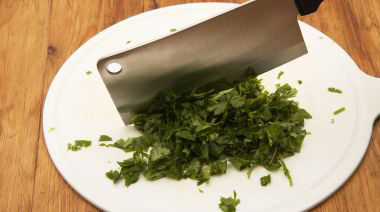
Rasam may aid digestion, hydration, and appetite because it contains spices like pepper, cumin, garlic, and tamarind. Its warm, light broth is also soothing during colds and indigestion.

