 Search
 Login
LoginJadoh
 Indian
 Intermediate
 Main Course


Jadoh Recipe: Traditional Khasi Pork Rice From Meghalaya
Jadoh
35 mins
Cooking Time
Intermediate
Difficulty
11
Ingredients
Non Veg
Diet
Jadoh recipe is a comforting Khasi dish from Meghalaya, known for its earthy flavours and simple cooking style. Made with rice and pork fat, it carries a deep aroma that comes from slow frying and gentle simmering rather than heavy spices.
In many Khasi homes, this dish is cooked during gatherings and local celebrations, especially when fresh pork is available. The use of Lakadong turmeric gives it a warm colour and subtle sharpness, making it stand out without overwhelming the natural taste of meat and rice.
Often compared to Meghalaya pork rice, this preparation focuses on texture as much as flavour. The slight oiliness from pork fat coats each grain, giving a satisfying mouthfeel that feels both hearty and rooted in tradition.
Ingredients
UNITSIngredients
250 gramsRice
100 gramsPork (with fat, chopped small)
2 tablespoonsOil
2 tablespoonsGinger paste
1Onion (large, sliced)
½ teaspoonLakadong turmeric
1Bay leaf
1 teaspoonBlack pepper
to tasteSalt
as requiredWater
for garnishFresh coriander
Malvani Kombdi Vade Recipe For Lunch
Malvani kombdi vade is one of the most iconic dishes from the Malvan region of Maharashtra's Konkan coast. This recipe is a hearty meal which is a combination of spicy chicken curry with crispy, deep-fried vade made from a mixture of rice and lentil flour. Malvani kombdi vade is deeply ingrained in local traditions and is often prepared for family gatherings, festivals and special occasions. The dish is an exemplary example of coastal cooking relying heavily on a myriad of spices, coconut and the region's famous Malvani masala. You get a satisfying combination of a rich gravy and crisp vades that makes for a filling meal. The spices used in the chicken curry are two-fold: a whole spice mix that goes into the masala paste, and the other is a ground spice mix to which the chicken is added, and eventually the whole spice paste. The masala paste features green cardamom pods, star anise, cloves, cinnamon stick, black peppercorns, black cardamom, ginger, garlic cloves, onions, green chillies, fresh and dried coconut, and coriander seeds, and the other has onions, ginger, garlic, tomatoes, turmeric powder, red chilli powder, garam masala, the iconic Malvani masala and salt. The vade are just as important as the chicken curry in Malvani kombdi vade. They are made from a dough of rice flour and urad dal flour, giving them a distinctive texture that reminds one of puris, but denser. The dough is made the same way as any typical Indian flatbread and shaped into discs with a small hole in the centre before being deep-fried. The vade is used to scoop up the curry for the perfect lunch. You can also choose to add a side of curd or kachumber salad.75 minsintermediateKeema Flatbread Recipe For Father's Day 2026 Gatherings
Keema Flatbread is a baked bread preparation that combines soft yeast dough with a savoury minced meat filling. Popular in many South Asian homes and bakeries, it offers the comfort of fresh bread along with the rich flavour of seasoned beef. The combination makes it suitable as a complete meal rather than a simple side dish. A well-made stuffed flatbread delivers contrasting textures in every bite. The outer layer remains soft and lightly crisp on top, while the filling stays juicy and aromatic. This style of bread became popular because it allowed cooks to turn a modest amount of meat into a filling family meal that could be shared easily. Many families prepare dishes like this for special gatherings, weekend lunches, and festive occasions. During Father's Day 2026, it can be served as a centrepiece dish that brings everyone around the table. Freshly baked and sliced into portions, it is satisfying, practical, and ideal for feeding a crowd.158 minsintermediateAssamese Black Sesame Chicken Curry Recipe For Lunch
The northeastern flavours in Indian homestyle cooking are unique, with local chicken curries featuring ingredients that are subtle in most curries. In Assam, the cooking leans heavily on freshly acquired ingredients to fermented delights that are not commonplace in the heavier spiced north indian cooking or even the coastal coconut-heavy cooking. One such chicken curry recipe is the til diya murghi mangxo (chicken curry with black sesame), which features black sesame as the main flavour in it. For this Assamese black sesame chicken curry recipe, it uses dry roasted black sesame seeds, or kala til, which are ground into a fine powder and added towards the end of the cooking, before the water is added. It makes the chicken curry dark and adds a distinctive nutty and smoky flavour to it. Similar preparations are also made in other northeastern states like Meghalaya, making this dish a treasured one across the northeastern belt. This chicken curry recipe is made with mustard oil, which is a hallmark of Assamese cooking, that is smoked before adding the aromatics and whole spices, followed by the marinated chicken and sesame seeds powder, water and simmered into a curry. This Assamese chicken curry is served with steamed rice and is best enjoyed hot off the stove. Its earthy flavour and spiciness create a curry that is as satisfying as it is unique. Tip: Use bone-in chicken thighs for a juicy curry.40 minsintermediate
Plate it up!
Plate it up!
Plating Instructions
Plating Instructions
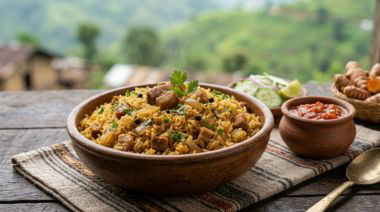
Serve hot in a deep bowl, allowing the glossy rice and pork pieces to be visible.
Pairing Instructions
Pairing Instructions
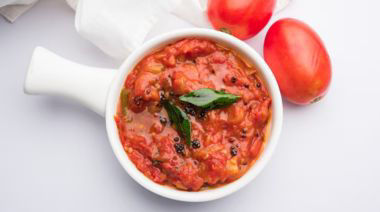
Pair Jadoh with a simple tomato chutney or a light salad to balance richness.
Garnishing Instructions
Garnishing Instructions
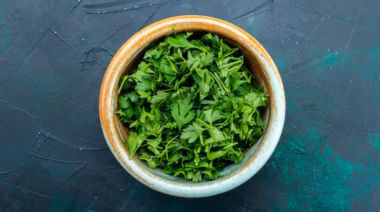
Sprinkle freshly chopped coriander just before serving for a fresh contrast.

Share
Save for later
Non Veg

Chicken Mosdeng
5mins
|Easy
Share
Save for later
Non Veg
Aromatic Hyderabadi Dum Biryani Delight
25mins
|Moderate
Share
Save for later
Non Veg
Mutton Kassa
165mins
|Intermediate