 Search
 Login
LoginSoy Sauce Eggs
 Japanese
 Easy
Easy Appetizer


Japanese Soy Sauce Eggs For Quick Ramen And Rice Bowls
Soy Sauce Eggs
25 mins
Cooking Time
Easy
Difficulty
8
Ingredients
Veg
Diet
Japanese Soy Sauce Eggs are known for their soft centres and deep, savoury coating that builds over a few hours. These eggs are a common topping in ramen bowls and rice meals, offering a contrast between creamy yolk and salty marinade. The process may look simple, but timing and soaking make all the difference in the final bite.
Unlike many boiled egg recipes, this version focuses on texture precision. The yolk stays slightly runny while the whites absorb flavour from soy, vinegar, and a hint of sweetness. This balance makes it popular across Japanese food recipes, where subtle seasoning plays a bigger role than heavy spice blends.
They fit well into quick meal prep routines, too. Once marinated, the eggs can be stored and used across dishes; sliced over noodles, tucked into lunch boxes, or paired with plain rice. The flavour deepens as they sit, making them even better the next day.
Ingredients
UNITSIngredients
6 largeEggs (room temperature)
3/4 cupSoy sauce (low sodium)
2 teaspoonsSesame oil (optional)
1 tablespoonHoney (or sweetener of choice)
2 tablespoonsRice vinegar
1/4 cupWarm water
splashWhite vinegar (for boiling)
pinchSalt
Simple Sandwich Recipes For Snacking: Japanese Fruit Sando
One of the simple sandwich recipes from Japan is the Japanese fruit sando, which is a beloved dessert sandwich that you might have seen on social media. The classic fruit sando has thick slices of fluffy shokupan bread, which is Japan's iconic milk bread, filled with sweetened whipped cream and whole, fresh fruits like strawberries, kiwis, and oranges. When sliced diagonally, the cross-section of the fruit embedded in the whipped cream filling makes for a visual that is as stunning as it is delicious. Before it took its place among the simple sandwich recipes in the country, it took a while to be invented. Fruit sando goes back to Kyoto in the early 1920s, while another theory credits Tokyo's Senbikiya, Japan’s first fruit parlour, established in 1868. Either way, the pairing of fresh, sweet and juicy Japanese fruit with the softness of shokupan bread feels almost dream-like once you try it. To make the perfect sweet sandwich, you need to get the consistency of whipped cream right and plan the placement of the fruit. This is one of the easiest simple sandwich recipes for a fruit sando, which needs a chilling time of at least one hour before it is cut to reveal the cross-section. Before cutting, the sandwich also needs to be compressed to get the sandwich to cut perfectly without the fruit popping out or the whipped cream being squeezed out. If you follow the recipe well, you will get those anime-style sandwiches which look like they were drawn by hand with a lot of love and dedication.1 minseasyHomemade Miso Honey Vinaigrette: The Perfect Balance of Sweet, Tangy & Umami
A delicious salad dressing can make even the simplest greens feel like a gourmet dish, and Miso Honey Vinaigrette is a fantastic example of that. This dressing harmonises sweet, tangy, and savoury notes in a way that feels perfectly balanced and wonderfully comforting. The main ingredient here is miso, a traditional Japanese paste made from fermented soybeans. Miso is known for its rich, deep umami flavour. When you blend it with honey, rice vinegar, and olive oil, it transforms into a dressing that’s smooth, slightly sweet, and pleasantly tangy. Adding just a hint of sesame oil and soy sauce enhances the depth and aroma beautifully. This vinaigrette pairs perfectly with light green salads, but it really takes off when you drizzle it over roasted vegetables, grain bowls, grilled chicken, fish, or even tofu. Just a spoonful can enhance the flavour of your dish. Another fantastic aspect of Miso Honey Vinaigrette is how quick and easy it is to prepare. You only need a few ingredients from your pantry and about five minutes to make it. Just whisk everything together until it’s smooth and creamy. It’s one of those easy recipes that quickly becomes a beloved favourite in your kitchen.8 minseasyEspresso Tonic With Yuzu: Refreshing Citrus Coffee Drink
Espresso Tonic with Yuzu stands out as a modern café-style espresso coffee recipe that pairs sharp citrus with bold coffee. Originating from Nordic coffee culture, this preparation gained popularity for its layered presentation and crisp taste, especially during warmer months when hot beverages feel heavy. The combination creates a contrast where bitterness meets light sweetness and gentle acidity. Yuzu espresso tonic offers a more aromatic twist compared to standard citrus additions, giving the drink a distinct edge without overpowering the espresso. This drink fits perfectly into summer routines where quick, cooling beverages are preferred. Its simple build and minimal ingredients make it accessible, while the flavour profile feels refined enough for a café-style serving at home.5 minseasy
Plate it up!
Plate it up!
Plating Instructions
Plating Instructions
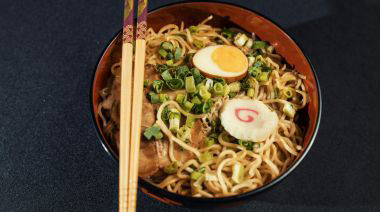
Slice eggs lengthwise and place over a bowl of rice or noodles.
Pairing Instructions
Pairing Instructions
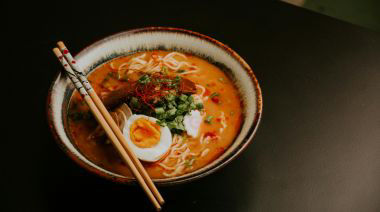
Serve alongside ramen, fried rice, or even simple toast.
Garnishing Instructions
Garnishing Instructions
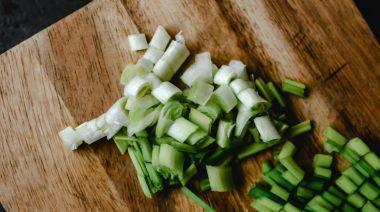
Sprinkle sesame seeds or chopped scallions for added texture.
Japanese Soy Sauce Eggs are soft-boiled eggs soaked in a savoury marinade. They are often served with ramen, rice bowls, or as a protein-rich side dish.

Share
Save for later
Vegan

Quick and Easy Ramen Bowl
30mins
|Intermediate
Share
Save for later
Veg + Egg
Tamagoyaki
55mins
|Easy
Share
Save for later
Non Veg
Sushi Ice Cube Tray: A Delicious Japanese Sushi
50mins
|Easy