 Search
 Login
LoginKongu Aatu Kari Kurma
 Indian
 Intermediate
 Main Course


Kongu Aatu Kari Kurma: A Spicy Kongunadu Mutton Curry Recipe
Kongu Aatu Kari Kurma
95 mins
Cooking Time
Intermediate
Difficulty
22
Ingredients
Non Veg
Diet
Kongu aatu kari kurma is a mutton curry recipe from the south of India, made with a fragrant ground paste of coconut and various spices and aromatics. It hails from the Kongunadu region of Tamil Nadu, whose cuisine is prized for its use of freshly ground spices and going the long route when it comes to cooking. Unlike the North Indian kurma, this Kongunadu mutton curry draws its flavour from a roasted masala paste built on fennel seeds, poppy seeds, whole pepper, cloves, cinnamon, dried red chillies, and fresh coconut, all dry-roasted before grinding.
Kongunad is a cultural region that stretches across the western part of Tamil Nadu, encompassing the areas of Coimbatore, Erode, and Pollachi. The cuisine here relies on locally sourced ingredients, using freshly ground spices, millets, chicken and barely any marination for its meat, cooked with coconut (both fresh and dried), groundnuts and turmeric in gingelly oil. In Kongunadu households, aatu kari or mutton is a prized ingredient reserved for Sunday lunches and festive gatherings.
This mutton curry recipe is a weekday-friendly adaptation that can be made in a pressure cooker in under 45 minutes while delivering the slow-cooked complexity of a feast dish. The base of this mutton curry recipe is onions and tomatoes sautéed in oil until soft, to which the freshly ground masala paste is added along with the raw mutton pieces. The mutton cooks in the masala without any pre-marination, absorbing every layer of spice from the inside out.
Ingredients
UNITSIngredients
500 gMutton (bone-in, curry cut)
1 tbspOil
1 cupOnions (chopped)
1 sprigCurry leaves
2Tomatoes (small, finely chopped)
1 tspTurmeric powder
1 tbspRed chilli powder
to tasteSalt
1 tbspFresh coriander leaves (finely chopped) to garnish
6Curry leaves (To Roast and Grind (Masala Paste)
2 tbspFennel seeds
1 tbspPoppy seeds (khuskhus)
1-inch pieceFresh ginger
3Garlic cloves
2Cloves
1-inch stickCinnamon
3Dried whole red chillies
1 tbspWhole black peppercorns
1 tbspCoriander seeds
¾ cupRed onion (chopped)
2 tspCumin seeds
2 tbspFresh coconut (grated or chopped)
Smoky Mutton Seekh Kebab Biryani For Hearty Family Feasts
Mutton Seekh Kebab Biryani brings together two deeply loved Mughlai-style preparations in one layered dish. Juicy minced mutton kebabs are cooked first, then arranged between fragrant basmati rice and spiced yoghurt masala before dum cooking. This style of preparation became popular in festive kitchens where seekh kebabs and biryani were often served together during family gatherings and celebratory dinners. Combining both into one pot creates a richer flavour in every spoonful. The smoky kebabs give this mutton biryani recipe a stronger meat flavour compared to regular biryani made with curry-cut pieces. Fresh mint, coriander, browned onions, and whole spices slowly perfume the rice while the kebabs absorb moisture from the dum process. Since minced meat cooks faster, the recipe also saves time without losing the layered texture expected from traditional biryani. A balanced seekh kabab recipe depends heavily on proper kneading and resting of the keema mixture. The grated onions keep the kebabs moist, while crushed coriander seeds and roasted cumin create warmth without overpowering the rice. Serve this dish during weekend lunches, Eid gatherings, or winter dinners when slow-cooked rice dishes feel especially comforting and filling.65 minsintermediateKacchi Kairi Chicken Thepla: Easy And Tangy Flatbread Recipe
Kacchi kairi chicken thepla brings together the tang of raw mango and the richness of spiced chicken in a soft, pan-roasted flatbread. This combination reflects how seasonal ingredients like raw mango are folded into everyday dough-based meals for added depth. In many regional kitchens, kacchi kairi is used during summer to balance heat with its sharp, refreshing taste. When mixed with herbs, yoghurt, and flour, it creates a dough that stays soft while carrying a distinct sour note that pairs well with savoury fillings. What makes this version stand out is the addition of cooked chicken mince, which turns a simple thepla into a filling, protein-rich meal. The result is a layered biteslightly crisp outside, soft inside, with hints of spice, herbs, and tang in every piece.50 minsintermediateFermented Yam Leaves Curry: Bold Tangy Pork Recipe
Fermented Yam Leaves Curry carries a strong identity shaped by preservation techniques used in hilly regions where fresh greens are not always available year-round. The leaves are naturally fermented, which gives the dish its distinct sour edge and deep aroma that develops further during cooking. Across tribal kitchens, this preparation is often paired with pork because the rendered fat softens the sharpness of fermented greens. The process is slow and deliberate, allowing the ingredients to settle into a balanced, hearty curry that feels grounded and filling. Often referred to as fermented leaves pork curry in local contexts, this dish stands out for its texture. The softened leaves blend into the broth while the pork adds body, making each spoonful layered yet simple, without relying on heavy spice mixes.38 minsintermediate
Plate it up!
Plate it up!
Plating Instructions
Plating Instructions

Serve the mutton curry in a deep copper or earthen bowl to pay an ode to its roots.
Pairing Instructions
Pairing Instructions
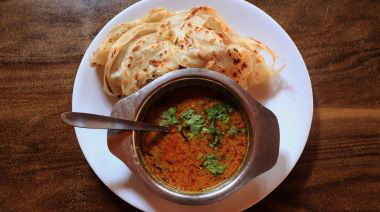
This mutton curry recipe pairs well with Kerala parotta, lachha paratha, or steamed rice with a spoonful of ghee. Add a...
Garnishing Instructions
Garnishing Instructions
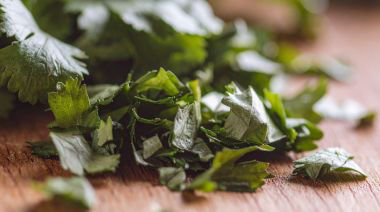
Finish the mutton curry with a scattering of finely chopped fresh coriander.
Marinate mutton with yoghurt, papaya, lemon, or ginger-garlic paste for a couple of hours. Cook slowly on low heat or pressure cook properly. Browning onions and resting the cooked meat also help.

