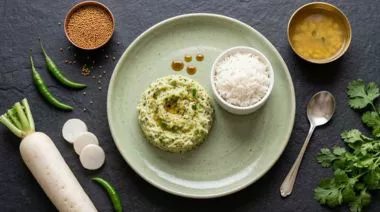
Mu'lor Bata, Bengal’s Radish Recipe To Rival Wasabi carries a sharp edge that stands out in a simple meal. This preparation is rooted in Bengali home kitchens, where raw ingredients are valued for their natural bite. It often appears during winter when radish is fresh, juicy, and full of flavour.
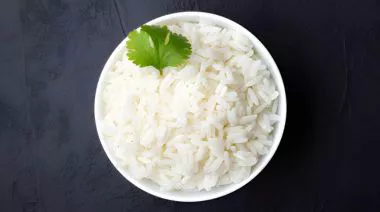
The Bengali radish chutney relies on balance rather than cooking. Mustard oil brings heat, while coconut and chilli pastes round it out. The texture stays slightly coarse, which makes every bite feel grounded and real, especially when paired with plain rice.
There’s also a seasonal logic behind it. Fresh radish in colder months has a clean, peppery taste that works well in raw dishes. This recipe uses that quality directly, without masking it, making it a strong yet simple addition to everyday meals.
Peel the radish and grate it finely into a wide bowl. If the radish releases too much water, press it lightly to remove excess moisture. This step helps keep the final mix from turning watery and ensures the flavours stay concentrated.
Description - Step 2
Add oil
Pour mustard oil over the grated radish and sprinkle salt. Mix lightly so the oil coats the strands evenly. The oil should hit the radish directly, releasing that distinct, sharp aroma associated with Bengali preparations.
Description - Step 3
Mix pastes
Add coconut-mustard paste and coriander-green chilli paste into the bowl. Fold them into the radish gently so they don’t clump in one spot. The mix should start looking slightly creamy but still textured.
Description - Step 4
Balance taste
Add a small pinch of sugar to soften the harsh notes of raw radish. Do not overdo it—the aim is balance, not sweetness. Stir just enough to distribute it evenly across the mixture.
Description - Step 5
Hand mix
Use your hands to mix everything thoroughly. This step helps press the flavours into the radish strands and gives the chutney its traditional texture. A spoon won’t achieve the same level of blending.
Description - Step 6
Serve fresh
Transfer the mixture to a serving bowl and serve immediately. This dish tastes best when fresh, as the sharpness fades if left sitting for too long.
The sharpness comes from raw mustard oil and fresh radish. Together, they create a nose-tingling heat similar to wasabi, which defines this traditional preparation.
Yes, lightly squeezing the radish and adding a bit more coconut paste can mellow the intensity while still keeping the original flavour intact.
It is best eaten fresh. If stored, keep it refrigerated and consume within a few hours, as the flavour dulls and the texture becomes watery.
No, this is a no-cook preparation. The entire flavour depends on raw ingredients and how well they are mixed together.
 Search
 Login
Login Indian
 Easy
Easy





 Instagram
 Facebook
 Youtube