 Search
 Login
LoginPitod ki sabzi
 Indian
 Easy
Easy Main Course


Pitod Ki Sabzi Recipe: An Authentic Rajasthani Besan Dumpling Curry
Pitod Ki Sabzi
40 mins
Cooking Time
Easy
Difficulty
23
Ingredients
Veg
Diet
Pitod ki sabzi recipe is a hearty dumpling curry that is made with the Western region’s favourite ingredient – besan. The roasted gram flour is turned into dumplings and simmered in a yoghurt-based gravy. There is also ghee and a short list of whole spices, with this dish coming together without onion, tomatoes, or any fresh produce. In a desert state where vegetables have been historically scarce, this dish is a remarkably ingenious example of Rajasthani cuisine.
The pitods or the besan dumplings or besan katli are soft, and look like smaller barfis (or katlis) that are cake-like in texture, and savoury. These are made by cooking a spiced flour batter until it thickens and sets. Once cooled and cut, these cakes are simmered in a tangy, yogurt-based gravy tempered with cumin, kasuri methi, hing, and green chillies. Learning how to make pitod ki sabzi well is about two things: getting the besan batter smooth and lump-free, and keeping the yogurt gravy from curdling.
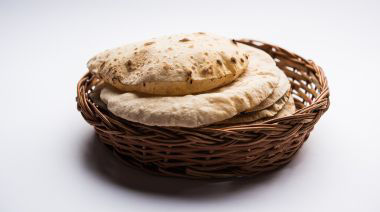
This pitod ki sabzi recipe is often compared to gatte ki sabzi, the more well-known Rajasthani besan curry, but Pitod has a softer, more delicate texture and a thinner, lighter gravy. It is sattvic, meaning, it is naturally onion-garlic free, making it a popular choice for Jain tithi days and Paryushan. The curry tends to thicken as it cools, so it recommended you warm it with a bit of hot water before serving. Pair with steamed rice or phulka roti for the most authentic Rajasthani experience.
Ingredients
UNITSIngredients
½ cup Besan (chickpea flour) For the Besan Katli (Pitods)
¼ tspTurmeric powder
½ tspRed chilli powder
½ tsp Garam masala
¼ tspAjwain (carom seeds)
a pinchHing (asafoetida)
½ tsp Salt
2 cupsWater
2 cupsCurd (slightly sour, at room temperature) For the Curry
¼ tspTurmeric powder
1 tsp Red chilli powder
½ tspCumin powder
1 tspCoriander powder
½ tspGaram masala
1 tspGinger paste
2 tbspGhee
1 tspCumin seeds
1 tsp Kasuri methi (dried fenugreek leaves)
a pinch Hing
2Green chillies, slit
1 tsp Roasted besan
½ tspSalt
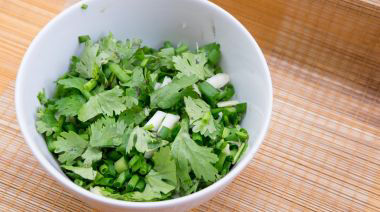
2 tbspFresh coriander, chopped
Bhuga Chawal: The Forgotten Sindhi Food Making A Quiet Comeback
Bhuga chanwar or bhuga chawal is a comforting rice preparation deeply rooted in traditional Sindhi cuisine. The dish is known for its fragrant basmati rice and a rich mix of caramelised onions, which give it its signature colour and smoky-sweet flavour. In many Sindhi households, bhuga chawal is considered everyday comfort food, simple in ingredients yet layered in taste. Unlike heavily spiced pulaos or biryanis, this Sindhi recipe relies on patience and slow cooking to build flavour. Whole spices like cumin, cloves, cinnamon, and bay leaf are added to the onion mix to release their aroma that perfumes the rice. What makes bhuga chawal stand out in the world of Sindhi food is how it manages to be rich yet simple in its flavour. The onions deliver a natural sweetness, while the spices add their characteristic kick without overpowering the rice. Traditionally, this Sindhi recipe is served with light accompaniments like boondi raita, papad, pickle, or a Sindhi kadhi. Some families also pair it with aloo tuk or dal for a fuller meal. The dish reflects the practicality of everyday meals that hinge on flavour, a hallmark of Sindhi cooking. These days, bhuga chawal is quietly finding new appreciation among cooks looking for nostalgic one-pot meals.52 minseasyComfort Food Aloo Sabji Recipes: Sindhi Recipes Featuring Macroli Patata
Macroli patata is one of the most comforting and flavour-packed, yet simple, Sindhi recipes that uses elbow macaroni, but is not cooked in an Italian style. This delicious macaroni and potato dish is more in the aloo sabji recipes category, which features elbow macaroni, tomatoes, potatoes, and the usual kitchen ground spices like coriander, red chilli, turmeric and garam masala powder. This is one of the quickest Sindhi recipes out there, which dates back to the Pre-Partition era. It was brought back to India by Sindhi traders, who got macaroni on their travels to Europe and the Americas. In India, it was treated like one of the aloo sabji recipes and was cooked in an onion-tomato-based gravy with peas and potatoes. The pasta blends seamlessly in the gravy, unlike European pasta dishes, where it tends to be the co-star with the pasta sauces. Among popular aloo sabji recipes, this Sindhi speciality stands out because of its simple ingredients and homely taste. Macaroni had been mispronounced in Sindhi homes when this dish was first created, as macroli, and the name stuck ever since. Its slightly soupy consistency makes it a comforting dish reserved for celebratory occasions or religious ones. It can also be served for family meals during weekends. It is usually served with makhana (phoolpatasha).32 minseasyParuppu Rasam Recipe With Traditional Tamil-Style Flavours
Paruppu Rasam sits comfortably between a soup and a light curry, making it one of the most dependable dishes in Tamil kitchens. The balance of tamarind, dal, garlic, and pepper gives the broth a layered taste that feels soothing during rainy evenings or heavy lunch meals. Many families prepare it after festive cooking because the warm spices and thin consistency feel easy on the stomach while still carrying plenty of flavour. Unlike plain tomato rasam, this version gets body from cooked toor dal and a freshly roasted spice blend. The coriander seeds, cumin, pepper, and fenugreek release a nutty aroma once roasted slowly, giving the rasam recipe a deeper finish than ready-made powders. Garlic tempering in hot ghee adds another layer that spreads through the kitchen within seconds. Across South India, Paruppu Rasam is commonly paired with hot rice, vegetable poriyal, or even enjoyed in a tumbler during cooler weather. The slight froth that forms while boiling is an important sign that the flavours have combined properly. Fresh coriander stirred in at the end brightens the broth and keeps the final bowl lively instead of overly sharp from tamarind.25 minseasy
Plate it up!
Plate it up!
Pitod uses steamed besan sheets cut into cubes, while gatte ki sabzi uses boiled gram-flour dumplings. Both are Rajasthani curries, but differ mainly in dumpling texture and preparation.

