

Mashed Potato
 Indian
 Intermediate
 Appetizer


Turn Leftover Mashed Potato into Vada Pav Sliders: A Crispy Treat
30 mins
Cooking Time
Intermediate
Difficulty
17
Ingredients
Veg
Diet
Got leftover mashed potatoes? Give them a Mumbai-style twist! These crispy, golden vadas tucked inside soft slider buns are a mini version of the iconic vada pav. Spiced perfectly, fried to perfection, and served with tangy chutneys, these sliders make a quick snack or fun party starter with real Indian flair.
Ingredients
UNITSIngredients
6–8Whole wheat slider buns
1 cupGram flour (besan)
1/2 tspTurmeric powder
to tasteSalt
¼ tspBaking soda
¼ tspRed chilli powder
3–4 mediumPotatoes, boiled, peeled, and mashed
1 tbspOil
1 tspMustard seeds
¼ tspAsafoetida (hing)
12–15Curry leaves
1 smallOnion, finely chopped
1 tbspGarlic-green chilli paste
a pinchRed chilli powder
8–10Green chillies
as requiredGreen chutney
as requiredRed chilli-garlic chutney
Vegetarian Jackfruit Biryani Bowl: An Appetising Meal For One
The word biryani needs no introduction. It is a Mughlai dish which travelled from Persia to India with the Mughals, though some believe it came from the Turks. Traditionally, biryani was made with various meats (goat, lamb, chicken, fish), but now there are so many vegetarian versions. Today, mixed vegetables, potatoes, mushrooms, and paneer are popular ingredients you can add to a vegetarian biryani recipe. You can also adapt each variation to a vegan version by substituting dairy ingredients with plant-based alternatives. For a veg biryani recipe, Kathal, or jackfruit, is a good substitute for meat, not only for its nutritional value but also for its meaty texture. Those who turn vegan or vegetarian can relish kathal as a meat substitute. While fresh raw jackfruit is only available during the summer, canned jackfruit can be used year-round for this recipe. The gravy, spiced with Sunrise Shahi Garam Masala, infuses every layer of rice with a rich aroma. This kathal recipe is a delicately spiced dish where jackfruit pieces simmer in a yoghurt-based gravy until tender, before being layered with crispy onions and parboiled rice. The rice then finishes cooking through steaming, allowing each grain to cook separately and remain fluffy. Below is how you can make this biryani for one to two people. For larger quantities, simply multiply all the ingredients equally.90 minsintermediateBhoger Khichudi: Temple-Style Bengali Khichdi With Ghee Aroma
Indian cuisine is truly the poster child of variety, and nothing proves that better than regional dishes. While the nation celebrates many festivals together, each region brings its own unique dish to the mix. Like Bengal's bhoger khichudi. Bhoger Khichudi is a ceremonial dish cooked as an offering, not a shortcut meal. The combination of Gobindobhog rice and lightly roasted moong dal creates a naturally aromatic base, while vegetables are fried separately to preserve their identity. Controlled water, measured ghee, and slow simmering produce the signature soft yet spoonable texture served during Bengali festivals. Since the dish is prepared as a holy offering during Hindu festivals like Durga Puja and Saraswati Puja, it completely skips the use of onion and garlic. Despite their absence, the dish is appetising enough to even make the fish-loving Bengalis leave their non-vegetarian fare, all thanks to the inclusion of seasonal veggies, spices, ghee, and herbs. The unmistakable aroma and flavour come from slow-roasting the moong dal. A symbol of devotion and a staple during pujas, bhoger khichudi is often served with accompaniments like labra (mixed vegetable curry), beguni (eggplant fritters), and chutney. Now that you're recreating the recipe at home, opt for the traditional Gobindobhog rice since it has a sweet, buttery flavour, sticky texture, and distinct fragrance. Also, ginger paste, turmeric, and Bengali garam masala are essential to authentic bhoger khichuri. Lastly, aim for a mushy, cohesive texture where rice and dal blend and don't remain separate grains.50 minsintermediateBhai Dooj 2026: Give Classic Rabdi Recipe A Fruity Twist With Pineapple
Bhai Dooj 2026 is a time to make space for a dessert that seems familiar but has a tiny surprise in every mouthful. Pineapple Rabdi is a delicious combination of the richness of slow-reduced milk and the bright, fruity taste of pineapple. It’s cold and creamy, with crunchy almonds, offering a refreshing take on the classic rabdi recipe without losing the familiar elements of the dish. The pineapple provides depth to this milk-based dessert. The sweet-tartness cuts through the richness of the reduced milk, making each mouthful seem lighter and more refreshing. But one key thing to note while making this combination: pineapple should not be added when the milk is hot. The fruit is added only after the rabdi has cooled fully, since the inherent acidity of the fruit might curdle the dairy. This rabdi recipe is especially good for a celebratory occasion since much of the preparation may be done ahead of time. Make the rabdi and let it cool. Once chilled, refrigerate it until you are ready to serve. Add the pineapple closer to serving time for a fresh taste and texture. Serve Pineapple Rabdi in separate dishes for Bhai Dooj. Garnish with chopped pistachios, almonds and a few juicy pineapple slices. It’s a simple way to give a much-loved Indian dessert a seasonal touch and finish the family dinner on a wonderful note.3 minsintermediate
Plate it up!
Plate it up!
Plating Instructions
Plating Instructions

Arrange sliders neatly in a row on a wooden board or small plates.
Pairing Instructions
Pairing Instructions
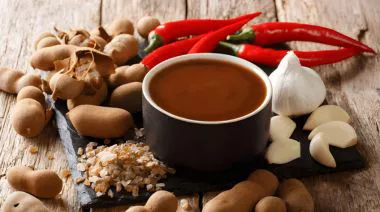
Serve with fried chillies and a side of sweet tamarind chutney for contrast.
Garnishing Instructions
Garnishing Instructions
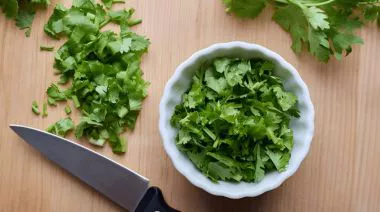
Sprinkle fine sev or chopped coriander on top for a festive look.

Share
Save for later
Veg

Masala Cornflakes Bhel: Crunchy and Delicious
5mins
|Easy
Share
Save for later
Veg
Crispy Fafda
10mins
|Easy