

Chia Seed Buttermilk
 Indian
 Easy
 Drinks


Chia Seed Buttermilk Drink Recipe For Cooling And Hydration
Chia Seed Buttermilk
40 mins
Cooking Time
Easy
Difficulty
7
Ingredients
Veg
Diet
Chia Seed Buttermilk Drink blends thin, churned curd with soaked chia seeds and gentle spices to create a cooling savoury beverage. The chia adds texture and slow hydration, while ginger, cumin, and curry leaves support digestion. It works as a midday refresher that feels light, balanced and easy on the stomach.
Ingredients
UNITSIngredients
1 cupFresh plain curd (yoghurt)
1 cupDrinking water
1 tablespoon Chia seeds
¼ teaspoonRoasted cumin powder
¼ teaspoonSalt
½ teaspoonFinely grated ginger
5-6 LeavesFresh curry leaves (finely chopped)
Postor Bora Recipe: A Traditional Bengali Poppy Seed Fritter
Postor Bora recipe is a traditional Bengali snack prepared with posto, which is the Bengali name for poppy seeds. These small, savoury fritters are known for their nutty taste and crisp exterior. To make these fritters, the poppy seeds are soaked and ground into a thick paste, then mixed with a few everyday ingredients before being shaped into patties and fried. A good postor bora recipe has a creamy texture of ground Sunrise Whole Poppy Seeds (Posta) and the crunch of a lightly crisp coating. Rice flour helps the fritters to hold their shape and develop crisp edges, while gram flour binds the mixture together. You can also add chopped onions and green chillies for some sweetness and heat, and nigella seeds bring a mild, distinctive aroma. Mustard oil is commonly used for frying and adds a familiar flavour to this Bengali preparation. Postor Bora can be served as an evening snack with tea or enjoyed as a side dish with steamed rice and dal. It is a simple way to use the underrated spice in a savoury preparation and makes a wonderful addition to a traditional Bengali meal.30 minseasyBihari Kundru Sabji: How To Make Kundru Ki Bhujia In 20 Minutes
Kundru sabji recipe, called kundru ki bhujia or bhunjia in Bihar, is the perfect example of a North Indian stir-fried vegetable that is simple and requires few ingredients. At the heart of the dish is ivy gourd, or kundru, a small, cylindrical green vegetable with a mild, slightly sweet flavour and a firm bite when cooked well. Known as kundru in Hindi, tindora in Gujarat, and kovakkai in Tamil Nadu, this vegetable is one of the most widely cultivated gourds across India and one of the most underappreciated. Mustard oil is an important part of this kundru sabji, which is a common choice across Bihar, Bengal, and much of North and East India. The oil is smoked (to lose its sharpness) before frying the ingredients in it. Cumin seeds go into the hot oil first, which crackles, then go in with the garlic and green chillies. This is the base of flavour for the otherwise bland kundru sabji, which absorbs it while cooking. The sliced gourd is added raw and tossed immediately in the spiced oil, every piece coated evenly in turmeric and salt before the heat is lowered and the pan is covered to let the steam do its magic. The final step is to uncover the pan and stir-fry over high heat for the last two minutes for a dry-ish stir-fry finish. Kundru ki bhujia is not meant to have a sauce or gravy; it is a dry stir-fry, and its texture should have just enough char at the edges to give it depth without becoming tough. This is the bhunjia of Bihari kitchens: simple, aromatic, and cooked with certainty. Double or triple the quantity of ivy gourd, and the spice ratios remain the same; only the cooking time increases by a few minutes.30 minseasyMake Bandhakopir Ghonto For Durga Puja 2026: A Festive Bengali Favourite
Bandhakopir Ghonto is a traditional Bengali vegetarian dish in which finely chopped cabbage is cooked with potatoes, peas, ginger, and a perfectly balanced mixture of spices. Unlike a curry that is heavy on gravy, the vegetables in ghonto are cooked without losing their texture. A bit of sugar used in the recipe highlights the sweetness of the cabbage, while mustard oil provides the unmistakable aroma of Bengali cuisine. This dish is particularly apt for Durga Puja 2026 when vegetarian dishes do play a significant role in the festival fare. The presence of potato gives body and creaminess to the dish, and the green peas add bursts of sweetness. The finishing touch is the ghee and bhaja moshla, which ties the spices together. Bandhakopir ghonto is best enjoyed as a part of an entire Bengali meal rather than just looked at as a side vegetable dish. Its mildly sweet and aromatic nature goes well with rice, dal, and other vegetarian dishes. It is a good option for Navratri recipes because the ingredients are simple to find, though rules for fasting vary from family to family. In Durga Puja 2026, it can be served hot with rice for a good Bengali meal.55 minseasy
Plate it up!
Plate it up!
Plating Instructions
Plating Instructions
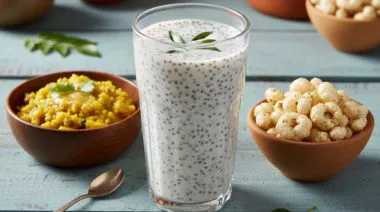
Serve in a tall glass to highlight the chia texture.
Pairing Instructions
Pairing Instructions
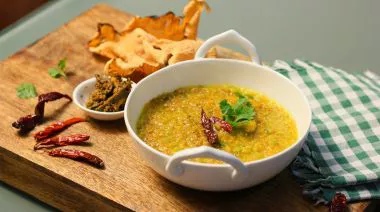
Serve alongside a light lunch of dal khichdi or enjoy it with a handful of roasted makhana (foxnuts) for a gut-friendly...
Garnishing Instructions
Garnishing Instructions
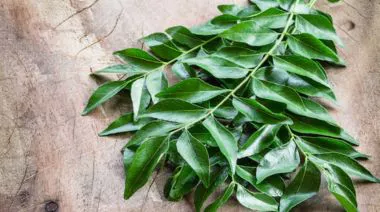
Sprinkle a few extra curry leaves on top.

Share
Save for later
Veg

Cranberry Thandai: A Refreshing Infusion
15mins
|Easy