

Easy Sevaiyan Recipe: The Perfect Dessert For Your Eid Feast
 Indian
 Easy
 Dessert


Easy Sevaiyan Recipe: The Perfect Dessert For Your Eid Feast
Sevaiyan
30 mins
Cooking Time
Easy
Difficulty
9
Ingredients
Veg + Dairy
Diet
This Meethi Sevaiyan is a creamy, fragrant dessert perfect for Eid. Vermicelli is lightly roasted in ghee, then cooked in milk and sugar syrup, infused with saffron and cardamom. Topped with blanched almonds, pistachios, and khoya, it’s a festive treat that’s soft, nutty, and indulgent for family and friends.
Ingredients
UNITSIngredients
½ cupPistachios
½ cupAlmonds
1 packetVermicelli
2 tbspDesi ghee
1 cupMilk
1 cupSugar syrup
a pinchCardamom powder
a pinchSaffron
a handfulKhoya
Crispy Bengali Egg Chop Recipe – A Street Food Classic
Egg Chop is a cherished Bengali snack that has captured the hearts of street food enthusiasts all over India. Hailing from Bengal, this dish really took off in the vibrant street food scene of Kolkata, where you can find it being served hot by street vendors alongside kasundi (fermented mustard sauce) and diced onions. This dish brings together the creamy goodness of boiled eggs, the warm taste of spiced mashed potatoes, and the satisfying crunch of a crispy coating. Whether enjoyed during evening tea, at festive celebrations, or just as a filling snack, egg chop always brings joy.35 minseasyGanesh Chaturthi Sweets Special: Banana Laddoo Made With Overripe Bananas
Ganesh Chaturthi sweets are often besan- or rava-heavy, so how about trying this banana laddoo as part of the Ganapati prasad spread? This laddoo recipe features bananas that are too ripe and spotty to eat as fruit, and matta (red) rice roasted and ground into its own flour rather than using store-bought rice powder. It's as much a way to use up overripe bananas before they go to waste as it is a festival sweet, which is part of why it's stayed a practical, low-fuss recipe for a Ganesh Chaturthi spread that already has a lot going on in the kitchen. For this Ganesh Chaturthi sweet, the rice is washed and drained, then dry-roasted over a medium-high flame, stirring continuously until its colour visibly changes. The mixture is finished with a brief roast alongside cardamom and cumin seeds for the last 30 seconds. This is just enough time for the spices to release their aroma without scorching. Once completely cooled, this roasted rice is ground into a fine powder, which serves as both the binding agent in the laddoo dough and the coating dusted over the finished laddoos. For the banana side, ripe bananas are chopped and cooked down in ghee until they soften, then thickened again for about 7-8 minutes. This thickening stage is important, since adding jaggery and rice powder to a still-wet banana mixture would leave the dough too soft to roll. Grated jaggery, a couple of pinches of salt, and a small amount of dry ginger powder go in once the banana has reduced, and the roasted rice powder is folded in gradually and cooked until the mixture is non-sticky enough to hold its shape between your palms.40 minseasyAval Recipes For Janmashtami: Sample This Maharashtrian Gopalkala (Dahi Poha) Recipe
Aval recipes are something that has a spike in searches en masse during Janmashtami. Dahi poha or Gopalkala is one such recipe, which is a simple, no-cook dish, featuring aval or poha, curd, and cucumber mixed and finished with a quick ghee-jeera tempering, and that's essentially it. The mix of aval, which is flattened rice and curd is the traditional Maharashtrian way of turning the two into something offered to Krishna as prasad rather than eaten as a simple meal, and the name is drawn from Krishna's cowherd (Gopal) associations. One of the easiest aval recipes you can fix, this Janmashtami, all you need to do is wash the poha, drain the water, then mix it with curd. Add the chopped cucumber, salt, and a pinch of sugar, and mix them in too. You just need to heat a pan for the tempering with a bit of ghee, in which cumin seeds, green chilli, and finely chopped ginger are fried. Then this is added to the aval mix along with grated coconut and mixed. Most aval recipes for Janmashtami feature the thicker poha variety, not thin, so the texture of the flattened rice is retained and it doesn't turn into mush. You can also adjust the curd quantity based on how thick or thin you want the Gopalkala to be. This quick recipe is perfect for a weeknight after work, when one wishes to prepare something for that evening's Janmashtami offering, but is short on time and energy.12 minseasy
Plate it up!
Plate it up!
Plating Instructions
Plating Instructions
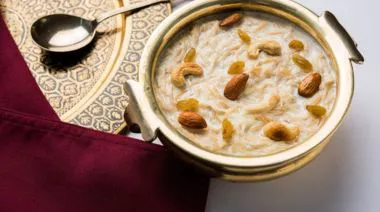
Serve in small decorative bowls or glass dessert cups for a festive presentation.
Pairing Instructions
Pairing Instructions
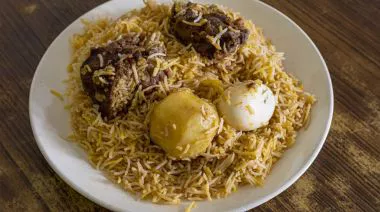
Serve this rich and creamy Sevaiyan after a savoury main course, such as Mutton Biryani, as its sweetness provides the p...
Garnishing Instructions
Garnishing Instructions
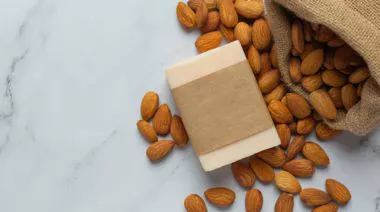
Add a few extra slivers of pistachio or almond on top.

Share
Save for later
Veg

Luxurious Khubani Ka Meetha: Saffron-infused Apricot Dessert
30mins
|Easy
Share
Save for later
Veg
Double Ka Meetha
40mins
|Easy