 Search
 Login
LoginPickled Eggs
 British
 Easy
Easy Appetizer


Flavour-Packed Classic Pickled Eggs In Tangy Vinegar Brine
Pickled Eggs
49 mins
Cooking Time
Easy
Difficulty
10
Ingredients
Veg
Diet
Pickled eggs rely on precision rather than complexity. The eggs must be fully set but not rubbery, the vinegar diluted just enough to preserve without harshness, and the spices balanced so they infuse gradually rather than dominate. This method focuses on even curing, clean flavour development, and safe storage. By cooling the brine before jarring and allowing enough resting time, the eggs develop a firm yet tender bite, subtle heat, and a sharp finish that stays consistent from the first slice to the last.
Ingredients
UNITSIngredients
12 largeEggs
2 cupsWhite vinegar
1 cupWater
2 tablespoonsSugar
1 tablespoonSalt
1 teaspoonBlack peppercorns
1 teaspoonMustard seeds
2Bay leaves
2 clovesGarlic
1Dried red chilli
British Style Yorkshire Pudding Recipe For Sunday Lunch
A traditional British Sunday lunch can't be finished without Yorkshire pudding, those golden puffs that elevate every beef or chicken roast into a celebration. The original recipe for this pudding originates from 18th-century Yorkshire and was meant to make a beef roast last longer. It has a crunchy exterior, a creamy centre, and a cavity that eagerly embraces a cascade of savoury juices. Yorkshire pudding is made using batter that has been rested and cooked in a very hot oven, which gives it its signature show-stopping texture and dramatic rise. Whether it's served with traditional roast meat, a rich vegetarian sauce, or even just on its own, Yorkshire puddings encapsulate the essence of welcoming hospitality in Britain. Present them steaming and watch them vanish in no time!35 minseasyQuick & Easy Cheesecake Pots – The Perfect Christmas Dessert
Looking for portable desserts that go beyond muffins and cupcakes? Try cheesecake pots. Layered in individual glass jars or pots, this dessert features a crunchy digestive biscuit base, a rich cream cheese and chocolate filling, and a glossy chocolate ganache topping. Perfect for Christmas gatherings.8 minseasyDeconstructed Trifle Jars: A Modern Twist on the Classic Christmas Trifle
These deconstructed trifle jars bring a modern touch to the classic Christmas dessert. Instead of assembling everything in a single bowl, the layers of cake, jelly, custard, fruit, and cream are arranged in individual jars. This creates a stylish, easy-to-serve treat with familiar festive flavours and eye-catching presentation.145 minseasy
Plate it up!
Plate it up!
Plating Instructions
Plating Instructions
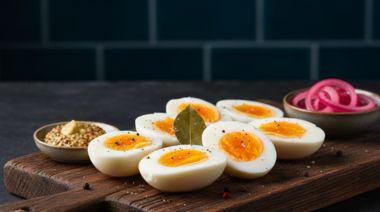
Slice lengthwise and arrange cut-side up to show clean whites and yolks.
Pairing Instructions
Pairing Instructions
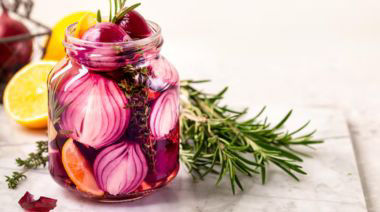
Serve alongside sharp mustard or pickled onions for contrast.
Garnishing Instructions
Garnishing Instructions
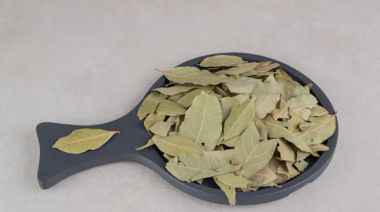
Finish with cracked black pepper or a bay leaf from the jar.

