

Namak Para
 Indian
 Easy
 Appetizer


Namak Para: Crispy Crunch in Every Bite
Namak Para
60 mins
Cooking Time
Easy
Difficulty
7
Ingredients
Veg
Diet
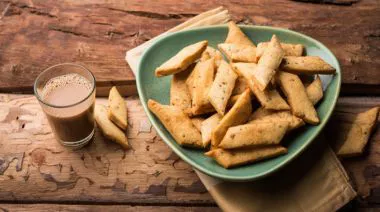
This namakpara recipe brings out crispy, salty, ajwain-flavoured diamond-shaped Indian fried snacks. This snack can be enjoyed with tea, coffee. You can also keep it as a party starter snack.
Ingredients
UNITSIngredients
2 cups (260 g)All-purpose flour (maida)
4 tbsp (56 g)Semolina (sooji)
1 tspSalt
1 tspCarom seeds (ajwain)
3 tbsp (45 mL)Ghee (or oil)
approx. 1/2 cupWater
for deep fryingOil
Makhane Ka Raita Recipe Gives Classic Curd A Delicious Crunchy Twist
Makhana recipe ideas are normally either makhana kheer or roasted snacks. However, makhana raita is a welcome twist on a familiar classic, making for an addictive lunch side dish. This dish features roasted makhana mixed into chilled yoghurt. While it may seem similar to boondi raita, it has a more toasted, distinctly nutty flavour, enhanced by Sunrise Cumin Powder (Jeera). This raita recipe is perfect for summer lunches featuring dal-chawal and sabzi, sambar rice, or simple vegetable and rice dishes. The curd helps cool down the meal, while the addition of Sunrise Cumin Powder (Jeera), chaat masala, and chilli powder adds an extra kick of spice. Low in calories yet satisfying, makhana is a popular pick among those keeping their weight on track. Makhana seeds come from the plant species Euryale ferox, commonly known as fox nuts or gorgon nuts, and are primarily cultivated in the Mithila region of Bihar, India. They contain modest amounts of protein, calcium, and iron. You can serve the raita immediately for a satisfying crunch, or let it rest for 10 minutes for a softer bite. It also pairs wonderfully with pulao, biryani, or parathas. For vrat (fasting) days, you can easily adapt the recipe by using sendha namak (rock salt).13 minseasyMatar Ghugni Recipe That Turns Fresh Peas Into A Winter Treat
Matar ghugni recipe is a classic winter staple enjoyed throughout Bihar and Uttar Pradesh. Unlike the conventional version, which uses dried peas soaked overnight and is sold at roadside stalls across eastern India, this recipe uses fresh green peas. Fresh green peas are easy to find from November to February. They have a gentle sweetness and a slightly nutty taste that works beautifully in this dish. Sunrise Kashmiri Red Chilli Powder gives the gravy a rich red appearance while keeping the heat low. Prepared in classic Bihari style, this ghugni recipe layers flavours with mustard oil, cumin seeds, green chillies and ginger. Sautéing the onions until caramelised and adding fresh tomatoes provide sweetness and tanginess, respectively. Because Sunrise Kashmiri Red Chilli Powder is mild, you can add regular red chilli powder separately to control the colour intensity and heat level. Peas provide about 5 grams of plant-based protein per 100 grams, which keeps the dish filling for hours. Quick and easy to make, matar ghugni is typically served alongside crispy roasted chura (flattened rice). The soft peas mix with the crisp poha, giving every bite a little tang and crunch. It is a common breakfast during cold, foggy mornings, usually paired with a cup of masala chai.26 minseasyBihari Kundru Sabji: How To Make Kundru Ki Bhujia In 20 Minutes
Kundru sabji recipe, called kundru ki bhujia or bhunjia in Bihar, is the perfect example of a North Indian stir-fried vegetable that is simple and requires few ingredients. At the heart of the dish is ivy gourd, or kundru, a small, cylindrical green vegetable with a mild, slightly sweet flavour and a firm bite when cooked well. Known as kundru in Hindi, tindora in Gujarat, and kovakkai in Tamil Nadu, this vegetable is one of the most widely cultivated gourds across India and one of the most underappreciated. Mustard oil is an important part of this kundru sabji, which is a common choice across Bihar, Bengal, and much of North and East India. The oil is smoked (to lose its sharpness) before frying the ingredients in it. Cumin seeds go into the hot oil first, which crackles, then go in with the garlic and green chillies. This is the base of flavour for the otherwise bland kundru sabji, which absorbs it while cooking. The sliced gourd is added raw and tossed immediately in the spiced oil, every piece coated evenly in turmeric and salt before the heat is lowered and the pan is covered to let the steam do its magic. The final step is to uncover the pan and stir-fry over high heat for the last two minutes for a dry-ish stir-fry finish. Kundru ki bhujia is not meant to have a sauce or gravy; it is a dry stir-fry, and its texture should have just enough char at the edges to give it depth without becoming tough. This is the bhunjia of Bihari kitchens: simple, aromatic, and cooked with certainty. Double or triple the quantity of ivy gourd, and the spice ratios remain the same; only the cooking time increases by a few minutes.30 minseasy
Plate it up!
Plate it up!

Share
Save for later
Veg

Masala Cornflakes Bhel: Crunchy and Delicious
5mins
|Easy
Share
Save for later
Veg
Homemade Garlic Bread: Delicious, Buttery, and flavorful
90mins
|Moderate
Share
Save for later
Veg
Matar, Onion, Aloo Sabzi with Club Kachori
30mins
|Intermediate
Share
Save for later
Veg
Crispy Fafda
10mins
|Easy