 Search
 Login
LoginUdupi Sambar
 Karnataka
 Intermediate
 Main Course


Udupi Sambar Recipe: Authentic Temple Style Karnataka Sambar
Udupi Sambar
60 mins
Cooking Time
Intermediate
Difficulty
24
Ingredients
Veg
Diet
Udupi sambar recipe is a classic South Indian preparation that stands out for its comforting taste and the perfect blend of sweet, tangy, and mild spices. Each region has its own version, with some being more tangy, some slightly sweeter, and others having a spicier kick. Originating from the temple kitchens of Udupi in Karnataka, this sambar is also known as Devasthana sambar, meaning temple-style sambar. This recipe has a mild sweetness from yellow pumpkin, while tamarind adds a light tang that keeps the flavours well balanced. Made without onion or garlic, it reflects the simplicity and warmth of temple-style cooking, where food is prepared to be both nourishing and comforting.
The heart of this dish lies in its freshly prepared masala, where everyday ingredients are carefully roasted to release their aroma. These roasted spices, lentils, coconut, and Byadagi chillies are then blended into a smooth paste, giving the sambar its rich colour and layered flavour. This sambar recipe focuses on a balanced, rounded flavour rather than sharp spice alone. A final drizzle of coconut oil tempering adds a distinct finish and a beautiful fragrance that brings everything together.
Ingredients
UNITSIngredients
200 gramsYellow Pumpkin (roughly chopped)
125 gramsAsh Gourd (roughly chopped)
2Green Brinjal (or regular brinjal)
1 mediumTomato
½ cupToor Dal
Lemon-sizedTamarind (soaked in ½ cup water)
2 sprigsCurry Leaves
2 tbspCoconut oil
2 tspSunflower Oil
1 tspMustard seeds
1 tspUrad Dal
½ tspAsafoetida
1.5 tbsp Powdered Jaggery
to tasteSalt
For Sambar Masala:
1 tspChanna Dal
1 tspUrad Dal
2 tspCoriander Seeds (Dhaniya)
6-7Byadagi Red Chillies
½ tspCumin Seeds (Jeera)
¼ tsp Fenugreek Seeds (Methi)
3 tspGrated Coconut
4-5Peppercorns
1 sprigCurry Leaves
1 tspOil
Plate it up!
Plate it up!
Plating Instructions
Plating Instructions

Ladle the hot sambar into a deep bowl, filling it warmly so it’s ready to enjoy right away.
Pairing Instructions
Pairing Instructions
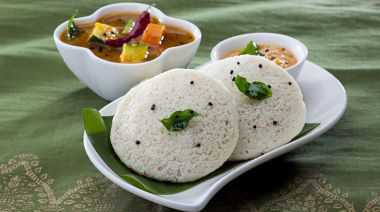
Pair this Udupi sambar with hot steamed rice, idli, or dosa for a complete and satisfying meal.
Garnishing Instructions
Garnishing Instructions
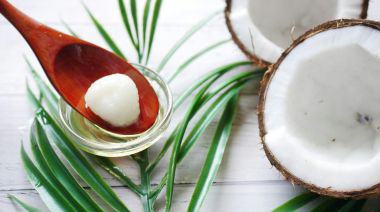
Garnish with fresh curry leaves or a drizzle of coconut oil on top just before serving.
Udupi sambar differs by featuring a coconut-based spice paste, the absence of onion and garlic, and slight sweetness from jaggery, resulting in a smooth texture and distinctive taste.

Share
Save for later
Veg

Pumpkin Curry: Wholesome and Nourishing Pumpkin Curry
35mins
|Easy
Share
Save for later
Veg
Nutritious Bowl: Pumpkin with Millet and Black Lentils
60mins
|Easy
Share
Save for later
Veg
Chhanar Dalna: A Delicious Bengali Curry
30mins
|Intermediate