 Search
 Login
LoginKhapli Atta Pretzels
 American
 Intermediate
 Dessert


Homemade Khapli Atta Pretzels Recipe: Soft, Healthy Snack Idea
Khapli Atta Pretzels
110 mins
Cooking Time
Intermediate
Difficulty
11
Ingredients
Veg
Diet
Khapli atta (including products like Aashirvaad Chakki Khapli Atta) is an ancient wheat flour that has surged in popularity in the recent decade or so, thanks to its high fibre and higher nutritional content, which meet the demands of the modern crowd trying to eat healthier. While rotis and parathas are the norm for khapli atta, there are other avenues it can benefit from, like baking. But given that khapli wheat has a weaker gluten structure, higher fibre, and greater water absorption, its dough needs extra care and more water, as it tends to be less elastic and denser than whole wheat flour.
Pretzels, on the other hand, which can be made with khapli atta, have a long history dating back centuries and are one of the oldest known twisted breads. They are believed to have originated in medieval Europe, possibly in monasteries, where bakers shaped dough into a knot resembling folded arms in prayer as a symbolic food reward. Over time, pretzels became associated with good luck, religious symbolism, and eventually snacking.
When you combine these two ideas, khapli atta and pretzels, you get a fusion version of a historic old recipe. Using Aashirvaad Chakki Khapli Atta in pretzels shifts the texture away from the classic soft, chewy wheat structure toward something more earthy, dense, and nutty. The dough becomes more fragile during shaping, and the pretzel loses some elasticity and shine, but gains complexity in flavour and a darker crust.
Ingredients
UNITSIngredients
2 1/4 tspInstant or active dry yeast
1 tbspBrown or granulated sugar
1 3/4 cupsWarm water (around 38°C)
1 tbspUnsalted butter, melted and warm
1 1/4 tspSalt
2 cupsAll-purpose flour
2 cupsKhapli atta
1-3 tbspExtra flour as needed
as neededCoarse salt, for topping
1/2 cupBaking soda (Baking Soda Bath)
9 cupsWater (Baking Soda Bath)
Black And White Cookies With Bakery-Style Soft Texture
Black and White Cookies are a well-known bakery staple, especially in New York, where their half-and-half icing makes them instantly recognisable. These cookies are soft like mini cakes rather than crisp, making them stand apart in cookie recipes that usually focus on crunch or chew. The base is lightly sweet with a hint of vanilla, while the icing brings contrast—one side plain and the other chocolate. This balance is what gives the cookie its identity. In many cookie recipes, texture and topping play separate roles, but here both come together in a single bite. Black and White Cookies are often linked to deli counters and old-school bakeries, where they are served fresh with coffee. Their simplicity and visual appeal keep them relevant, especially for those looking for something familiar yet slightly different.46 minsintermediateNo-Bake Mango Cheesecake: Easy Creamy Dessert Without An Oven
No-Bake Mango Cheesecake works beautifully with a biscuit base that adds both structure and a light crunch. Using Sunfeast Farmlite 5 Seed Digestive Biscuits brings a slightly nutty taste, which pairs well with the smooth mango filling and balances the sweetness. This chilled dessert avoids baking completely, making it practical during warmer months. The crushed biscuit layer holds firmly once set with butter, creating a stable base that slices cleanly without crumbling under the creamy layers above. The filling stays light because of the mix of cream cheese and hung yoghurt, while mango pulp adds natural flavour and colour. A glossy jelly topping finishes the dessert with a neat layer that locks in moisture and improves presentation for serving.30 minsintermediateInternational Carrot Day: Moist Carrot Cake Blondies With Cream Cheese Frosting
This International Carrot Day, enjoy carrot cake blondies, a simple and delicious twist on the classic carrot cake. They have the same warm flavours you love, like cinnamon, fresh carrots, and a rich buttery base, but are much easier to make. No layers, no fuss; just mix, bake, and enjoy, which makes this recipe perfect for beginners or busy days. The soft texture and creamy frosting make every bite feel comforting and satisfying. With International Carrot Day around the corner, this recipe is a lovely way to celebrate in a relaxed, homemade way. These bars are great for sharing with family and friends, whether it’s for a small gathering or a cosy dessert at home. The chopped pecans add a light crunch, while the cream cheese frosting on top adds a smooth, slightly tangy finish that makes these bars feel extra special. If you enjoy simple bakes that feel both comforting and special, these carrot cake blondies are a great choice to add to your recipe collection. They are easy to prepare, can be made ahead and chilled for later. Whether you are sharing them with loved ones or enjoying a quiet treat, these bars are sure to bring a little sweetness to your day.110 minsintermediate
Plate it up!
Plate it up!
Plating Instructions
Plating Instructions
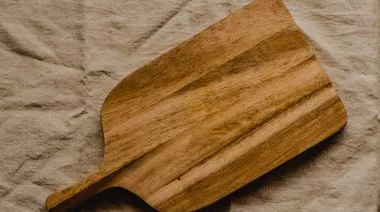
Serve the pretzels on a wooden board lined with parchment paper.
Pairing Instructions
Pairing Instructions
With the pretzels, add dips on the sides like pizza sauce, beer cheese or a herby dip.
Garnishing Instructions
Garnishing Instructions

You can top the pretzels with cinnamon brown sugar, applied over a melted butter wash.
A: Pretzels are low in fat but high in refined carbs and sodium, so they are an occasional snack rather than a health food; whole-grain versions are healthier.

Share
Save for later
Vegan

A Superfood Boost: Spiced Goji Berry & Oats Energy Balls
10mins
|Easy