 Search
 Login
LoginFlaxseed Crackers
 Indian Fusion
 Easy
Easy Snack
Snack


Khapli Wheat–Flaxseed Crackers Recipe: The Perfect Balance Of Crunch And Goodness
Flaxseed Crackers
45 mins
Cooking Time
Easy
Difficulty
7
Ingredients
Veg
Diet
One of India’s oldest grains, khapli wheat (or emmer wheat) has been grown for generations for its distinctive nutty flavour and digestive benefits. For those looking for mindful eating alternatives, try the khapli wheat-flaxseed cracker recipe. These crackers combine khapli wheat with flaxseeds, which are rich in omega-3 fatty acids and fibre. They go well with cheese, hummus, and even Indian chutneys, thanks to their crispness and earthiness.
Crackers originated as crispbreads in Europe; however, they have been adopted by Indian households and made with local grains. Just make sure to use authentic khapli wheat like Aashirvaad Chakki Khapli Atta, which has a higher protein content (30% higher) and more fibre, aiding digestion.
Ingredients
UNITSIngredients
1 cupAashirvaad Chakki Khapli Atta
3 tbspFlaxseeds, lightly roasted
2 tbspOlive oil
½ tspSalt
½ tspBlack pepper
¼ cupWater
OptionalSesame seeds
Fabelle Dark Chocolate & Rose Lassi Popsicles: A Stunning Frozen Treat
Fabelle dark chocolate & rose lassi popsicles bring together the comfort of traditional Indian flavours with the joy of a chilled summer dessert. This frozen treat is light, refreshing, and fragrant, making it perfect for hot days when you want something cooling. The combination of creamy rose lassi, rich chocolate shards, and delicate rose petals creates a balance of sweetness, texture, and floral notes that feels both nostalgic and indulgent at the same time. To make this lassi popsicles recipe, you can use either homemade or store-bought rose lassi. If making at home, blend 2 cups of thick curd with rose syrup to create smooth rose lassi, and you can adjust the sweetness by adding more or less syrup based on your taste. If using store-bought, measure about 2 cups directly, as it already carries the right sweetness and flavour. Pour the rose lassi into a bowl and gently mix in roughly chopped chocolate shards and freeze-dried rose petals. This simple combination comes together quickly, making it a fuss-free dessert that doesn’t need any cooking or complicated steps. Once prepared, pour the mixture into moulds, insert sticks, and freeze until set. The result is a creamy frozen dessert with bursts of chocolate and soft floral notes in every bite. This lassi popsicles recipe is perfect for make-ahead treats, summer gatherings, or whenever you want a chilled dessert anytime.8 minseasyThis Aamras Parfait Will Change How You Eat Mangoes Forever
The traditional aamras recipe is updated with a no-cook twist in this Aamras Parfait. Instead of cooking the mango puree, the parfait is cooled and layered with yoghurt and crunchy granola. Whether you're looking for a healthy snack, dessert, or breakfast option on those hot summer days, this aamras recipe is about to become your favourite way of consuming mango. With the sharpness and protein of the creamy yoghurt, the texture of the granola, and the finishing touch of honey, this aamras recipe is a blessing for mango fans. Mangoes are India's favourite fruit, and Aamras Parfait is a tribute to their adaptability with a global twist. It is incredibly versatile, aesthetically pleasing, and easy to put together in just 10 minutes. Excited for the mango season?10 minseasyHung Curd Sandwich Recipe: Quick & Easy Protein-Packed Snack
Hung Curd Sandwich is a wholesome snack that brings together the creamy richness of hung curd with the crunch of fresh vegetables. Unlike heavy spreads, this filling is light, refreshing, and packed with protein, making it an ideal choice for those who want a nutritious yet tasty bite. The combination of bell peppers, carrots, cabbage, and corn adds both flavour and colour, turning a simple sandwich into a vibrant and satisfying snack. This dish is perfect for busy mornings or as a quick fix when hunger strikes in the evening. The creamy curd mixture spreads easily over bread, and once toasted with a little butter, the sandwich develops a crisp golden crust that contrasts beautifully with the soft filling inside. It’s versatile enough to be served as breakfast, tucked into a lunchbox, or enjoyed as a tea-time snack. For families with children, this sandwich recipe is a great way to sneak in vegetables without compromising on taste. There’s something comforting about biting into a sandwich that feels both familiar and refreshing. The crisp bread, the creamy filling, and the colourful crunch of vegetables make this recipe a joy to prepare and share. It’s the kind of dish that doesn’t demand hours in the kitchen, yet delivers satisfying results every single time.20 minseasy
Plate it up!
Plate it up!
Plating Instructions
Plating Instructions
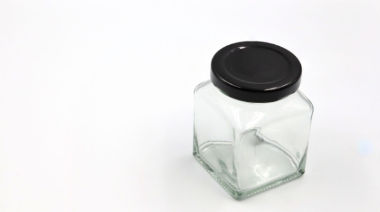
Present the Khapli Wheat-Flaxseed Crackers beautifully on a wooden board or store in a transparent airtight jar.
&...
Pairing Instructions
Pairing Instructions
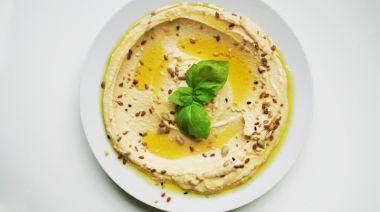
Enjoy alongside cream cheese, hummus, or a variety of Indian chutneys.
Garnishing Instructions
Garnishing Instructions
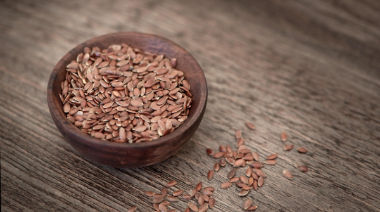
Add a sprinkle of extra flaxseeds or sesame seeds to enhance the texture.
For those seeking nutritious snacks made from ancient grains, khapli wheat crackers are a great option, as they are easy on the digestive system and high in protein.

Share
Save for later
Veg

How to Make 100% Khapli Wheat Sourdough Bread at Home
315mins
|Pro
Share
Save for later
Veg
Khapli Wheat And Chana Dal Missi Roti For Everyday Meals
35mins
|Easy